
Kojo Nnamdi hosted the Kojo Nnamdi Show, originally called Public Interest, for 23 years.


After 23 years delivering news, context and insight to the D.C. region, The Kojo Nnamdi Show aired its final episode on April 1, 2021. This site contains our complete archives of the show.
Kojo continues to host The Politics Hour with Kojo Nnamdi each Friday with resident analyst Tom Sherwood, maintaining a vital forum for the public to engage with and hold elected public officials accountable. Check out the new website to find the latest shows.
Learn More About The Politics Hour
Additionally, Kojo will continue to host his “Kojo In Our Community” series, which will be recorded and heard on-air as “WAMU Presents” special programming. Please check wamu.org/events for more information.
Kojo Nnamdi hosted the Kojo Nnamdi Show, originally called Public Interest, for 23 years.

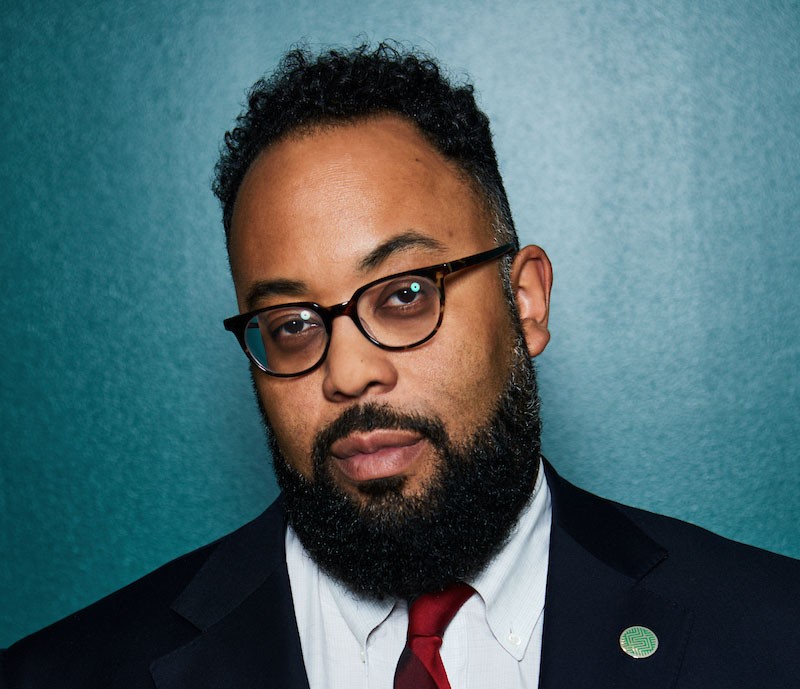
Best known for his work as a poet, author and editor, Kevin Young became the director of the Smithsonian's National Museum of African American History and Culture in January 2021.

Veteran journalist Judy Woodruff has been anchoring the PBS NewsHour since 2013.
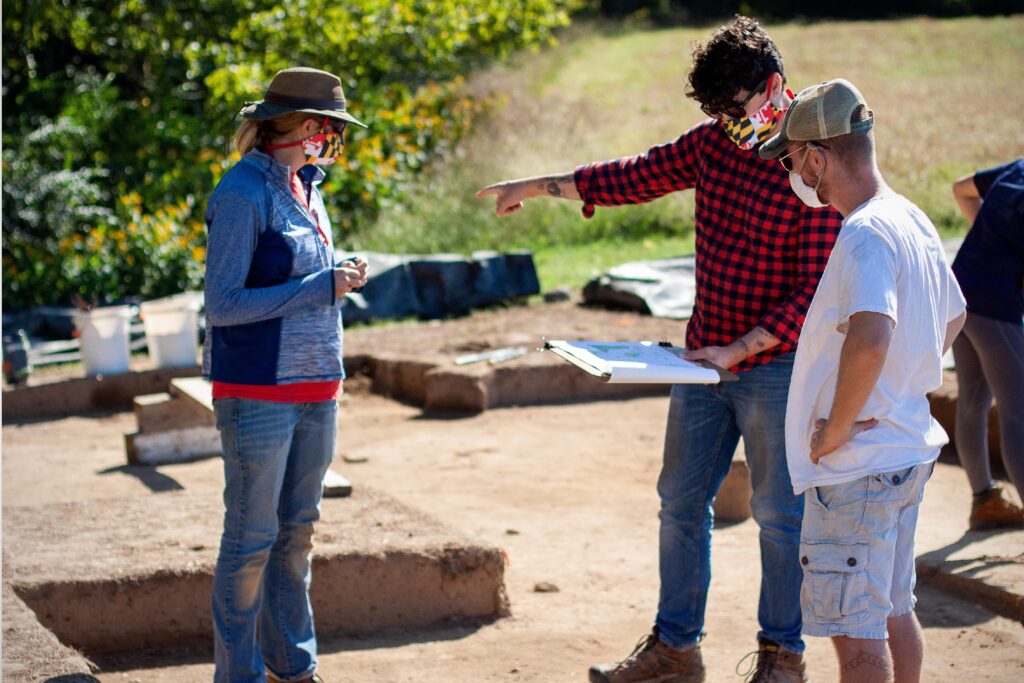
Archaeologist Travis Parno (center) led the St. Mary’s Fort excavation. He joins us to discuss the recently uncovered site.

Washington Mystic's power forward Elena Delle Donne is a two-time MVP who led her team to the 2019 WNBA championship.