The Politics Hour

The Politics Hour
Transcript for: 
The Politics Hour

MR. KOJO NNAMDI

12:06:46
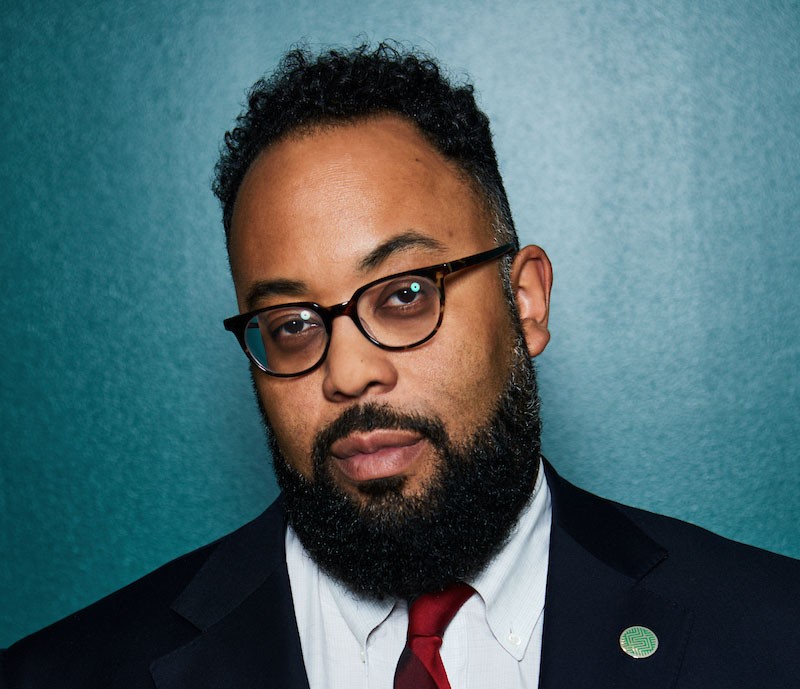
From WAMU 88.5 at American University in Washington, welcome to "The Politics Hour," starring Tom Sherwood. I'm Kojo Nnamdi. What's a political columnist to write about if he spends all of his time following the Nationals' games as they soar to the best record in Major League Baseball? Baseball, politics, ah, that's it. I'll get former Mayor Anthony Williams to talk about how it feels to see the team winning in the stadium he had to fight to get built with taxpayer money.

MR. KOJO NNAMDI

12:07:22
Another news organization, Channel 9, says that Tom Sherwood, he stole our idea before we had -- wait a minute. We'll talk to former City Council Chairman Linda Cropp about how it feels to see the Nats winning when she almost blocked the effort to have the taxpayers pay for building the stadium. If the team...

MR. TOM SHERWOOD

12:07:39
Well, that's -- I'd say (unintelligible).

NNAMDI

12:07:40
If the team were losing, would either of these stories have been written? Let's ask.

SHERWOOD

12:07:44
Well, that is -- well, first of all, you're talking about my fine column in The Current Newspaper about what the Nats are doing.

NNAMDI

12:07:49
Yes.

SHERWOOD

12:07:49
It's not just a city story but a region-wide story: the Nats are doing well. Tony Williams did say in a nice funny line to me that he would like up on that big Jumbotron screen all the sound bites of the people who opposed the stadium.

NNAMDI

12:08:06
(unintelligible).

SHERWOOD

12:08:06
Because the fact is the stadium has more than met its obligations to pay its bonds and is well ahead in paying off the bonds of the expensive stadium. And Linda Cropp didn't almost block baseball. She was for baseball, but she stopped one consideration of it because there were some answered questions. But she was always for baseball. So we want to be accurate on this show.

NNAMDI

12:08:28
My question...

SHERWOOD

12:08:28
And...

NNAMDI

12:08:29
My question stands. Allow me to ask how our guest, do you think before I even identify you that any of these stories would have been written had the team not been winning?

GOV. TIM KAINE

12:08:39
No.

NNAMDI

12:08:40
Thank you.

KAINE

12:08:40
And I will confirm what Tom said. It's a great regional story 'cause those of us who live in Richmond, we're psyched about the Nats. It's been an exciting summer to watch them do so well.

SHERWOOD

12:08:49
We did write about them when they were doing poorly. They were losing 100 games. Now, they're on track to win 100 games. And ESPN says they are 98 percent to make the playoffs.

NNAMDI

12:09:00
See, what his real interest is. Our -- yeah.

NNAMDI

12:09:03
Our guest is Tim Kaine. He's a Democratic candidate for the United States Senate. He's the former governor of Virginia. Gov. Kaine, thank you for joining us.

KAINE

12:09:11
You bet, Kojo and Tom. Great to be here with you today.

NNAMDI

12:09:13
You too can join this conversation by calling 800-433-8850. You can send email to kojo@wamu.org. You can send us a tweet, @kojoshow, or you can simply go to our website, kojoshow.org, and join the conversation there. Gov. Kaine, I have been seeing a lot of ads on television, saying that you're doing wrong but -- or what you have done wrong. So I'd like to start by asking you exactly what you would do right if you are elected to the United States Senate.

NNAMDI

12:09:42
We are looking at a Capitol in which there us a partisan divide that everybody bemoans. There's gridlock on the Hill. If you are elected the next senator from the Commonwealth of Virginia, what would you do to change that?

KAINE

12:09:56
Well, let me talk about economy, budget and working together. On the economy, I was governor of Virginia in the worst recession since the 1930s, but we were Forbes' most business-friendly state every year. We were bottom 10 unemployment and top 10 median income, AAA bond rated. We focused on small business success, on education and infrastructure investments and on having the right regulatory and tax balance.

KAINE

12:10:21
That's what I would do nationally to help the economy. You know, do some of the things that the Virginia economy is doing. Second, on budgets, there's a fundamental question that we have to answer as a nation, which is, are we going to try to balance our budget 100 percent through cuts? That's the Mitt Romney-Paul Ryan-George Allen strategy, or are we going to balance the budget through a mixture of cuts and revenues?

KAINE

12:10:41
I think we ought to make two or $3 of cuts for every dollar of revenue. On -- I cut $5 billion out of the budget as governor. I'm the only governor in modern times who left office with a smaller general fund budget than the one I started with, but I know that the right way to bring the nation's budget into balance is to have some revenue, probably a dollar of revenue for every two or $3 of cuts.

KAINE

12:11:00
And then finally, I think I have the background that is a background of working together, not name-calling, not hard-edge stuff. I was a mayor of a very diverse city, Richmond, bringing people together. I was a statewide official for six of the eight years I was in statewide office. I was working with two Republican houses. The accolades we won -- best managed state, best state for business, best state to raise a child -- we won by working together.

KAINE

12:11:23
And I would bring that to Washington because you're right. If we don't solve that, however, our good ideas are, it doesn't matter. We've got to be able to work better together.

NNAMDI

12:11:30
To our knowledge, you were not competing at the Olympics earlier this month, but people around the region sure was seeing you on TV quite a lot during the games, and they're continuing to see you in a barrage of third-party ads from a super PAC backed by Karl Rove and the U.S. Chamber of Commerce. These ads accuse you of everything from breaking promises on raising taxes and keeping college tuition in check to backing a plan that would put defense spending at risk.

NNAMDI

12:11:55
Before we get into any of the specific claims made in those ads, what concerns do you have about the overall effects the third-party and super PAC money are having in the race and how voters are responding to them?

KAINE

12:12:06
Kojo, I think it was November 7th these ads started. Karl Rove's group, Crossroads, and the U.S. Chamber of Commerce and they both are secret-money PACs. They don't disclose their donors. They run ads that have been found by fact-checking organizations repeatedly to be false, but there's no shame in being associated with a lie if you can't be associated with a lie. So both of these groups refuse to disclose who donors are.

KAINE

12:12:29
But, you know, the good thing is Virginians are smart. They know me, and they know George Allen. They've been running these ads now for just about eight and a half months, and they haven't moved the polls one iota. In fact, when they started, we were slightly behind, and now, we're tied or slightly ahead because I think Virginians are smart enough to reject the policy of secret money, out-of-state influence with broad claims that have been proven to be untrue.

KAINE

12:12:51
We have decided, look, our fundraising is strong, we just decided let's wait till after the Olympics. People don't need to be barraged with this beginning of November of 2011. I think we're going to have a very strong and very positive presence on TV in ways that will make people think, you know what, we want that in Washington, not the negative, you know, the negatives that are going over the top and saying false stuff.

NNAMDI

12:13:11
Here's Tom Sherwood.

SHERWOOD

12:13:12
Governor, are you saying that your campaign ads posted Labor Day are going to be all what you're for or whether it be -- what you like to call maybe comparison ads or -- rather than these attack-dog ads?

KAINE

12:13:25
You're going to see us be very, very positive. We may draw some comparisons, but I don't think anybody will have trouble distinguishing our side from the other side in terms of a basic positive message. Let me just give you one example. The U.S. Chamber of Commerce is on with an ad right now, saying Tim Kaine is, you know, is in the pocket of big labor, and they point out that labor organizations have contributed to me during my time in public office.

KAINE

12:13:49
That is true. The U.S. Chamber also knows that businesses have contributed even more to me, and they also know that when I was governor, Forbes named us the most business-friendly state in America all four years. But what the Chamber ad -- and the Chamber ad doesn't say that. What they want to do is they want to perpetuate a kind of politics where we just bash labor, bash working people, just like some on the left want to bash business.

KAINE

12:14:12
Now, my strategy is different. I grew up in a house where my dad ran an iron-working shop that was union organized. He was management. He was the owner. I grew up believing that the success of the American economy is fundamentally a partnership. Owners have to work together with workers. Republicans have to work together with Democrats. Business has to work together with government.

KAINE

12:14:31
Those who want to spend time bashing labor or bashing business, it's an economic loser. We need to be out competing India and China rather than spending our energies bashing each other, so I'm going to let the bashers just do their thing. And I'm going to continue to talk about the ways we can work together and make the American economy stronger.

NNAMDI

12:14:47
In case you're just joining us, our guest is Tim Kaine. He's a Democratic candidate for the United States Senate and the former governor of Virginia. We're taking your calls at 800-433-8850. Can we focus on the potential defense cuts that are coming for a minute?

KAINE

12:15:01
Yes.

NNAMDI

12:15:01
Because they were put on the table last summer, along with potential budget cuts made across the board as part of a deal to raise the debt ceiling. Lawmakers were supposed to go back to Capitol Hill and work out a long-term plan or face the threat of sequestration. That long-term plan never came and here we are. You've called for a middle-ground way forward. What would be a middle-ground way forward?

KAINE

12:15:24
Sure. Yeah, Kojo. A middle ground is make cuts but also find revenues, because if we do what Mitt Romney and Paul Ryan but especially my opponent, George Allen, says and recently in the debate, he said he wouldn't even have a dollar of revenue for $10 of cuts. So if we balance the federal budget all through cuts, we hammer defense, we hammer Medicare, we hammer education, and so what we need to do is find a middle ground.

KAINE

12:15:48
What I've proposed is this: Let the Bush tax cuts expire over $500,000. That will produce more than $500 billion that we can then use to soften the sequester cuts, the cuts to defense and the cuts to health care. Now, why $500,000...

SHERWOOD

12:16:02
Can we just be clear? Let me just be on the -- you said 500...

KAINE

12:16:05
Yes.

SHERWOOD

12:16:05
...because that's different from the 250...

KAINE

12:16:06
It is.

SHERWOOD

12:16:06
...that Obama has said.

KAINE

12:16:08
It is, and let me say why that is, Tom. The 500 number, it's not a theological number. But it's practical, and it's a compromise. The president and Senate Dems say let the Bush tax cuts expire over 250. The Senate passed that bill with 100 percent knowledge that it was going nowhere in the House. The House said make all the Bush tax cuts permanent, and they passed that bill with 100 percent knowledge it was going nowhere in the Senate.

KAINE

12:16:29
We can continue to stand in our corners and advocate the positions that we know for a fact will not lead to a resolution, or we can start putting compromises on the table and getting the job done. So what I would say is that Congress ought to do this thing with the Bush tax cuts. Let them expire over 500. And then that produces revenue that you can use to soften the sequester cuts on defense and on the non-defense items, like health care. My opponent has a different view. He says do it all by cuts. But if you do it all by cuts, you're going to hammer defense and everything else.

SHERWOOD

12:16:59
Let's bring it home to Northern Virginia where defense is a big issue, of course, in Hampton Roads.

KAINE

12:17:02
Huge.

SHERWOOD

12:17:03
On Monday, July 30, Northrop Grumman had a big event to warn about the impact on the defense industry and the private contractors about sequestration. Gov. Bob McDonnell was there, Republican. Democrat Congressman Gerry Connelly was there.

KAINE

12:17:21
Yep.

SHERWOOD

12:17:23
Super Democrat Jim Moran was there, and Frank Wolf...

KAINE

12:17:27
Mm hmm.

SHERWOOD

12:17:28
...Republican, was there. This is -- cuts across party lines that if the national parties can't get together on what to do about this, this region really hurts, and Northern Virginia is going to be the leading person.

KAINE

12:17:40
I think you're right. I think letting this go forward without a resolution hurts the nation, hurts priorities we care about, but it hurts the Virginia economy more than most and Northern Virginia in a very, very acute way. And so Northrop Grumman was good to do that. I enjoyed working with Northrop Grumman when I was governor, spending time convincing them to move to this region.

KAINE

12:18:01
And when you see Frank Wolf and Bob McDonnell and Gerry Connelly and Jim Moran, you know it's bipartisan. That's good. We have to find the solution, but we do have to fundamentally, Tom, grapple with -- there's only two ways forward that are on the table to bring this budget into more balance. One is an all-cuts approach that would devastate defense, and one is a balance approach of cuts and revenues.

KAINE

12:18:23
When I was governor, I made a lot of budget cuts. I cut my own salary. The state budget shrunk, the general fund budget, but I also learned that you can't just cut your way to prosperity. So we need to, you know, take away the subsidies to the Exxon-Mobils of the world. We need to let the Bush tax cuts expire at the top end. If we do that, the cuts will not be devastating to our economy and to the priorities, like defense, that we need.

NNAMDI

12:18:44
Onto the telephones. Ricky in Mt. Rainier, Md. Ricky, you're on the air. Go ahead, please. Hi, Ricky. Are you there?

RICKY

12:18:53
(unintelligible).

NNAMDI

12:18:55
Ricky, you are on the air, not talking to a friend in the background. Well, Ricky is apparently still talking to a friend in the background. So we will go to Julianna in Fairfax, Va. Julianna, you're on the air. Go ahead, please.

JULIANNA

12:19:08
Hi. It's nice to be able to talk to you guys.

KAINE

12:19:10
Hi, Julianna.

JULIANNA

12:19:11
I'm generally at the border, on the other side of the political spectrum, and I'm from Texas. When I moved to Virginia, I was shocked when I got my car tax bill in the mail.

KAINE

12:19:25
Yeah.

JULIANNA

12:19:26
I feel that this tax is very regressive in this form.

KAINE

12:19:31
It is.

JULIANNA

12:19:31
Taxing $20,000 and below, it hits the middle and lower class very hard in one month. And I wish for the people that are elected to Senate in Virginia to consider getting revenue in a more fair and equitable way, like raising the sales tax a little bit, because half the people I know register in a different state, so Virginia loses even the registration fees for those cars. You know, anybody that can jumps through the loopholes fast as they possibly can. And, you know, I enjoyed Texas because we had 8.25 bill tax, no state income tax. So life was a little simpler.

NNAMDI

12:20:09
Juliana, here's Gov. Kaine.

KAINE

12:20:10
Yeah. Well, Juliana, you've asked a very important question on an important topic, and I feel strongly about this, too. The Virginia tax system is a little different. We have a much lower sales tax than Texas. We do have an income tax as well. And generally, by diversifying our portfolio and not leaning really heavily on one tax has helped us. But I agree with you that car tax is regressive, and I made a proposal. You -- I don't know if you know the prehistory, a governor won an election in 1997 in Virginia saying, we're going to get rid of the car tax.

SHERWOOD

12:20:38
Is that Gov. Gilmore?

KAINE

12:20:39
Gov. Gilmore, and then neither he nor the legislature actually got rid of it. I put a proposal on the table my last year as governor to get rid of the car tax, and it was bluntly this -- we'll increase the income tax by a percentage. We will give all that money to local governments, and in exchange, we'll completely eliminate the car tax 13 years after it was promised to be eliminated. The legislature, most of whom who said they were for no car tax, wouldn't vote for that, and so folks still keep paying a car tax.

KAINE

12:21:07
I think it is a -- it's a regressive tax. A governor before me promised to get rid of it and so did the legislature. I think you ought to keep your promises. The legislature didn't. I, at least, showed a path about how we could do it and won the legislature's pleasure. But, no, I sympathize with your -- the fact that that's not a popular tax word.

NNAMDI

12:21:26
Juliana, thank you very much for your call. The addition of Paul Ryan to the presidential contest has thrown the future of Medicare into the spotlight in this race, a plan he pushed in the House would essentially turn Medicare into a voucher program. But the Romney-Ryan campaign said this week that the Affordable Care Act cuts Medicare. The chairman of the Republican Party said on Sunday that the president has, quoting here, "blood on his hands when it comes to Medicare."

NNAMDI

12:21:50
And George Allen's campaign said that you've supported a plan to bankrupt Medicare by rating billions of dollars for a health care tax. How would you respond?

KAINE

12:21:55
These guys will make anything up. The notion that the passage of the Affordable Care Act stole money from Medicare has been debunked by every fact-checking organization in the book. PolitiFact has repeatedly said that was wrong. George Allen has attacked me over that. PolitiFact and Virginia said that that's just an example of somebody making something up, and I think people want to have people in office who don't make stuff up.

KAINE

12:22:22
The fact of the matter is the Romney-Ryan budget -- the Ryan budget, which Romney now supports, which George Allen has praised, is a budget that would fundamentally transform Medicare. It would, as you say, Kojo, turn Medicare into a program where once a senior hit a threshold of expenses, Medicare would no longer cover and those costs will be put on to the shoulders of seniors.

KAINE

12:22:46
I think that's not a cost reducer. It's a cost shifter. The seniors who would pick up those costs are vulnerable, people who are retired. They're not going to have the ability to pick them up. My argument on Medicare is don't do what Ryan and Allen and Romney want to do. Don't shift cost. Let's reduce cost. So here's an example: In Medicare right now, we cover the purchase of prescription drugs, the Part D program.

KAINE

12:23:09
If we make one change and allow the federal government to negotiate for the pricing of prescription drugs instead of being forced to accept whatever the prices are that are quoted by pharmaceutical companies, we will save $25 billion a year in the federal budget. Now, that's not a cost shifter. That's a cost reducer that helps the federal budget without hurting vulnerable seniors. Paul Ryan voted to do this giveaway to the pharmaceutical industry. George Allen voted to do it when he was the senator.

KAINE

12:23:37
I'd let the federal government negotiate on pharmaceutical pricing. I'd save money on Medicare rather than put cost on the shoulders of vulnerable seniors who can't afford it.

NNAMDI

12:23:46
Medicare, coming soon to homes of yours truly and Tom Sherwood soon. Tom Sherwood is our resident analyst...

KAINE

12:23:50
Now, you guys are way away from the eligibility age by your parents.

NNAMDI

12:23:52
He is an NBC 4 reporter and a columnist for The Current Newspapers. You can call us. The phones are busy, so you'd better communicate with Gov. Kaine by sending us email to kojo@wamu.org or sending us a tweet, @kojoshow. Tom.

SHERWOOD

12:24:05
Paul Ryan is campaigning in Virginia, and he's going out in the suburbs of Richmond earlier today. He's going up to Springfield this afternoon. He is saying in his Medicare program is that persons close to retirement, 55 and older, would not be affected. He says that this would make Medicare more sustainable than what the Democrats are proposing.

KAINE

12:24:26
You know, I mean, so I understand he's saying that about the folks 55 and older, but the fact of the matter is he is a guy who's worked in Washington for a very long time. He can show, look, I'm looking at a federal budget document. If I make seniors have to pay more, it makes the federal document look better. But again, that's a cost shift. Why don't we reduce cost? You know, why don't we reduce this excess that we spend because we won't negotiate with pharmaceutical companies over pharmaceutical pricing?

SHERWOOD

12:24:52
And before we get to the calls, I want to hear the calls -- on Social Security, you and Sen. Allen have somewhat of a different view.

KAINE

12:25:00
Mutually different.

SHERWOOD

12:25:01
I have a letter that Sen. Allen wrote on Aug. 16th of 2012, which he says of Social Security. "Americans should have additional freedom to choose to invest their hard-earned dollars for their retirement security." That sounds like a variation of the privatization of Social Security.

KAINE

12:25:17
It is. George voted to start privatization of Social Security accounts when he was a U.S. senator, and that would have been disastrous. It failed. But if it had passed, that vote was before the collapse of the financial industry. And as bad as the last decade would've been, if you would have seniors have their Social Security accounts lose so much of their value, it would have been an absolute disaster.

SHERWOOD

12:25:36
Sixty percent in some case.

KAINE

12:25:37
Sixty percent of value would've been a disaster. And so the notion that, you know, we're going to put the Social Security funds and -- into the stock market, where all kinds of chicanery can happen, that would tremendously weaken the program. I will fight against the privatization of Social Security accounts to my last breath if I'm a U.S. senator.

SHERWOOD

12:25:58
You're the former Democratic National Committee chairman, and the Democrats, in some ways, are salivating that this issue on Medicare and Social Security will help the party tremendously in places like Florida, in Iowa, Virginia, all battleground states.

KAINE

12:26:11
Sure. Yep.

SHERWOOD

12:26:12
Is that -- you see it that way?

KAINE

12:26:14
Well, it, you know, I've learned not to be a political strategist, but more of a policy person. I mean, I think it's where -- that's -- what I care about is the policy. And I just think that the notion that you would privatize Social Security when we had a near-death experience with the collapse of the fiscal market, that we would do that again and jeopardize the savings, you know, a huge percentage of our seniors, Social Security is the only income that they have during their retirement years. And why would we jeopardize that? The program's been very successful and we can keep it successful.

NNAMDI

12:26:43
Speaking of the collapse of the fiscal market, here is Joe in Richmond, Va. Joe, your turn.

JOE

12:26:49
Yes, Gov. Kaine.

KAINE

12:26:50
Hey, Joe.

JOE

12:26:51
I got a couple of quick questions, one of which you just touched on in regards to -- are we going to see not only legal action but also regulatory actions to make sure that Wall Street and the Wall Street crowd doesn't do to the American taxpayer that we've seen just happen the last, you know, three-and-a-half-plus years? 'Cause there's -- I'm a Republican myself, but I know reality when I see it. I don't want to see this crap go on again and then Wall Street come to the taxpayer and say, bail us out...

KAINE

12:27:19
Bail us out again. Yeah, Joe, I mean, do you want to ask your second question, I'll answer them both?

JOE

12:27:24
Yeah. My second question is I don't know if the listeners know -- and I voted for George Allen. But George Allen said when the Enron debacle hit that they couldn't prevent or actually do anything about what happened during the Enron debacle. But he wasn't going to allow something like that to happen again. Well, he talks out both sides of his mouth. He – I heard him say just a few weeks ago the same statement in regards to the banking crisis.

KAINE

12:27:49
Well, it is, you know, look, I'm going to agree with your opening assertion that we have to make sure that we don't go through another fiscal collapse like 2008 and regulate appropriately our financial markets. Now, I'm not a -- you know, I will say this. I'll give you a kind of a conceptual answer. There's transactions that have long been regulated since the regulatory laws were put in place after the Depression in the 1930s.

KAINE

12:28:14
But what happened was Congress -- and this was a bipartisan problem, both Dems and Rs -- started to carve out transactions in the late '90s and early 2000s. You know, we're not going to regulate the collateralization of home mortgages. There was an effort by the Commodities Future Trading Commission. We better give this some oversight, and Congress said, no, they get a free pass. And they carved out some other transactions as well and said they weren't going to regulate or oversee those.

KAINE

12:28:37
It was largely activity in the unregulated space that caused the problem. So my kind of bias if I go into the Senate is not advance regulations on transactions that are already regulated, but it's to go into these pieces of the market that we've carved out that aren't regulated at all and make sure that there's sufficient oversight there. And, you know, I have a very different opinion about this than George.

KAINE

12:29:02
George just says, you know, you got to get rid of regulation. Less regulation is always a good idea. Less regulation is sometimes a good idea but sometimes it is a very, very bad idea, and we just live through a lost decade partly because we turned a blind eye to things that we should have been paying attention to.

NNAMDI

12:29:18
Thank you very much for your call, Joe. George, of course, is former Gov. George Allen, who is Tim Kaine's Republican opponent in the Senate race. We've extended an invitation to senator -- to former Gov. Allen to be on the show. We haven't heard back from them as yet.

SHERWOOD

12:29:33
Governor, let's talk politics. Northern Virginia, both you and Gov. Allen are campaigning essentially. Tell us...

KAINE

12:29:40
Absolutely.

SHERWOOD

12:29:40
...Northern Virginia has a big role. What kind of percentage of the vote is in terms of the turnout? You guys are -- you're both at a deadlock. You're closer than Obama-Romney now in terms of this campaign. How important is Northern Virginia in terms of getting people out to vote?

KAINE

12:29:55
Tom, it's hugely important. Northern Virginia, if you talk about the Northern Virginia media market, it's, you know, over 30 percent of the Virginia electorate.

SHERWOOD

12:30:03
Nearly a third of the vote.

KAINE

12:30:04
Yeah, nearly a third of the vote statewide. You know, we're between 7.5 and 8 million people, and nearly a third are in Northern Virginia. And so that means as a candidate, you spend about a third of your time here. You know, that's how you spend time. And, you know, George is doing events here all the time. He lives down in Fairfax. I'm doing an event with defense contractors this afternoon. I've been here for the last couple of days. I mean, I am here a lot. I have a lot of friends from my 16 1/2 years in elected office.

KAINE

12:30:30
So Northern Virginia is very important. Northern Virginia is economically dynamic. We were talking before the show about unemployment rates and median income in Northern Virginia, which are pretty favorable. And Northern Virginia is a place where there's a lot of innovation going on that is driving not just Northern Virginia economy but driving, you know, new ideas that can help the American economy. So I want to harness the power of that innovation economy in Northern Virginia.

NNAMDI

12:30:55
We're almost out of time, but there's one aspect of your campaign, your character, your personality that might fit in here. You know, we've got an entire part of our station dedicated to bluegrass music. And after listening to this, I don't know if they'd be interested in setting you up in a jam session.

NNAMDI

12:31:35
That's Gov. Kaine playing the harmonica at a recent campaign stop. What do you think, Tom Sherwood? Can he fit in the Bluegrass Country?

SHERWOOD

12:31:41
Right. You know, I saw that. You know, I saw that. You know, this comes as a shock to me. But I am a bluegrass fan, and I have -- I know how to...

NNAMDI

12:31:49
You never fail to surprise me.

SHERWOOD

12:31:50
I know all this stuff. And this was in Galax, right?

KAINE

12:31:52
It was actually in Floyd, Va. At the Floyd Country Store last Friday night, I played the harmonica badly.

SHERWOOD

12:31:58
With the Jugbusters.

KAINE

12:31:59
With the Jugbusters. And I played a couple of tunes with them as my wife flat-footed. So to the extent that there's, yeah, bluegrass audience, you know, that is a -- that's a...

SHERWOOD

12:32:08
Can you clog dance?

KAINE

12:32:09
I cannot. No. I cannot do any kind of dancing.

SHERWOOD

12:32:09
I have done clog dancing sober.

KAINE

12:32:13
I stick to the harmonica.

NNAMDI

12:32:14
If you vote on the basis of musical preference or musical dexterity, then you'll know how to vote (unintelligible).

SHERWOOD

12:32:21
Do we have time for a really quick question?

NNAMDI

12:32:23
Very quick.

SHERWOOD

12:32:23
All right. Gov. McDonnell has got a big speaking role in Tampa for the Republicans. He's chair of the platform committee. What is your role, if any, at the Democratic convention?

KAINE

12:32:31
My current plan is to spend one full day at the convention with the Virginia delegation. And there, you know, there's some chance that I might speak the day that I'm there. That's still being worked out but I...

SHERWOOD

12:32:42
But will you be there Thursday, on the final day?

KAINE

12:32:43
It's likely I'm going to be there earlier in the week with the -- because we've got a -- just a great group of Virginians that are going and...

SHERWOOD

12:32:50
Then you're not trying to avoid the National Convention...

KAINE

12:32:51
No, no.

SHERWOOD

12:32:51
...as some Republicans were trying to say.

KAINE

12:32:53
I was the national chair and I picked Charlotte -- and I was glad to pick Charlotte. I want to go thank my friends in Charlotte, congratulate them on a job well done and be with the Virginians over there.

NNAMDI

12:33:01
The reason why Tom Sherwood is so interested? He'll be there.

SHERWOOD

12:33:03
I'll be there. I'm driving through Virginia. I hope there are no tolls on 95.

NNAMDI

12:33:06
Tim Kaine is...

KAINE

12:33:07
Not until you finish.

NNAMDI

12:33:08
Tim Kaine is a Democratic candidate for the United States Senate. He's the former governor of Virginia. Gov. Kaine, thank you for joining us. Good luck to you.

KAINE

12:33:14
Thanks, Kojo. Thanks, Tom. I look forward to being back.

NNAMDI

12:33:16
You're listening to The Politics Hour. Tom Sherwood is our resident analyst. He's an NBC 4 reporter and a columnist for The Current Newspapers. And, Tom Sherwood, Gov. O'Malley signed legislation on Wednesday asking voters to approve expanded gambling in Maryland as supporters and opponents prepare for what could be a bruising referendum campaign this fall. It's going to be on the ballot in the fall. So this is way from over?

SHERWOOD

12:33:40
I wish we had talked to Tim Kaine about this and what he thought about gambling in -- he's running out the door now.

NNAMDI

12:33:46
He's got to go. He's got an appointment.

SHERWOOD

12:33:47
But, you know, this is huge. I think...

NNAMDI

12:33:48
Not coming to Virginia any time soon.

SHERWOOD

12:33:50
That's true. No, I don't think – or the District 'cause the Congress wouldn't let us have casino here in town, although it'd be a great economic thing. Let me just say this. The people in Maryland have to vote in this on November the 6th. It's going to be six full-fledged casinos. The Maryland will become all-in full casinos all around the state. And I think that's going to be a more interesting fight than people think at this moment.

NNAMDI

12:34:15
Indeed they have to lower taxes for the competing casinos that are already in existence. There were some difference between the House and the Senate over that. They were able to work out those differences. But I suspect that in this referendum you're going to be seeing a lot of money coming from both sides because I'm still thinking that the other casinos, even though they've got their taxes low, they still aren't really happy about this.

SHERWOOD

12:34:37
They're not happy. But, you know, if they can get tax breaks, which they had never dreamed of before, to allow the casino in Prince George's County, then I think they'll be less opposed to it than you might think. But the casino interest will be here, and I think there's going to be a very aggressive fight 'cause people are going to say, this is free money and we ought to just go ahead and take it. But it's a major change.

NNAMDI

12:34:59
Well, we talked earlier about the Washington Nationals and the city paying taxpayers' money in order for the Nationals to get a new stadium. I'd like to talk about the Nationals some more, but I can't think of any political context in which put this. But I know that you and others are very profoundly interested in it. Should the Nats be shutting down Steven Strasburg?

SHERWOOD

12:35:23
Well, you know, I'm going to trust the Nats' team ownership to know what to do about Strasburg. I hope that they do not shut him down and somehow or another we lose by a game or two. I just think that they have to make the right decision for him and his young arm. You know, he did go through Tommy John surgery. It's a huge economic decision for the team. The team is doing as well as ever -- the best it's ever done. You do not want a star pitcher like Strasburg to injure himself or to be worn out. So you just have to go where the team decides.

NNAMDI

12:35:52
But think of the future. We seem to be so deeply embedded in the present that we're thinking, why pull him out now when we have (unintelligible) ?

SHERWOOD

12:36:00
Well, George Allen, you know, not the candidate for the Senate but the football coach -- you know, the future is now. We want to win now. And so the people who've been long suffering with the Nats in town want to win now.

NNAMDI

12:36:12
I beg to differ. The future is the future. Tom Sherwood is our resident...

SHERWOOD

12:36:14
The future is every second.

NNAMDI

12:36:16
Tom Sherwood is -- it's the future. Tom, let's keep doing that. Tom Sherwood is our resident analyst. He's an NBC 4 reporter and a columnist for The Current Newspapers. Joining us now in studio is Natwar Gandhi, chief financial officer of the District of Columbia. Dr. Gandhi, thank you so much for joining us.

DR. NATWAR GANDHI

12:36:31
Thank you for inviting me.

NNAMDI

12:36:33
If you'd like to join this conversation with the chief financial officer, call us at 800-433-8850. Or send email to kojo@wamu.org with your questions or comments, or send us a tweet, @kojoshow. You had an opening gambit, Tom Sherwood?

SHERWOOD

12:36:46
Yes, I do because I'm actually doing a story about the economic impact of the Nats' winning season. And I'll be doing it tonight on Channel 4. Anybody who has nothing else to do wants to tune in. But, Dr. Gandhi, thank you for being here. The team is winning on the fields, but the income from the stadium and from the business tax and all of that -- tell me that -- I'm told it's doing pretty well itself.

GANDHI

12:37:11
I think we are doing very well on that front as well. And the way we had arranged the financing of it, even if you had just about 10,000 people in the stadium, just 10,000, we will still meet all of our obligation of our debt service. So now, we're talking about a sell-out crowd, and we would deeply enrich and benefit from this stadium.

SHERWOOD

12:37:36
And the city gets from the concession stands our sales taxes. How does that -- what monies does the city get from this -- the sales?

GANDHI

12:37:44
Well, what is happening here is that in addition to taking care of our debt services, we are getting substantial sums of money from stadium every year to fund other expenses, and it all goes to the so-called general fund.

SHERWOOD

12:38:01
But – so are the sales taxes there collected by the city or they're enjoyed by the...

GANDHI

12:38:05
Well, no. We have a lockbox arrangement, and we want to be absolutely sure that the bond holders are, of course, taken care of. All the taxes go towards that lockbox. And then whatever is left over now...

SHERWOOD

12:38:17
If I buy a hotdog at the stadium, do I pay a tax to the city?

GANDHI

12:38:20
Yes, you do. Yes, you do.

SHERWOOD

12:38:21
OK.

GANDHI

12:38:22
But, well, basically remember, it goes towards stadium expenditures.

SHERWOOD

12:38:26
It's been a good thing -- Tony Williams was giving, you know, just grinning ear to ear about how well the team is doing financially and on the field.

GANDHI

12:38:33
Well, it always helps to have a winning team and for you to buy more hotdogs there.

NNAMDI

12:38:39
The Washington Post, speaking of taxes, flashed a front page article last week about the city's system for collecting taxes on commercial properties. The Post reported that the FBI is investigating the methods the city's tax office has used to lower assessments of properties through settlements. You've said The Post is giving off the wrong impression, that the city has been giving away the store. Why?

GANDHI

12:39:02
Well, I think there is a fundamental misunderstanding or inadequate understanding over our assessment process on the part of The Post. They somehow believe that all assessment, potential assessment, if you were to basically agree to a lowering of that, is going to crack -- insert into a revenue loss. That cannot be true. What happens here is that -- before I say anything, I want to point out that the lowering of the assessment was -- has been consistent over the last six, seven years.

GANDHI

12:39:48
The amount of the revenue that we would generate has been consistent. And in 2012, we will receive $200 million more in commercial real property taxes than what we had received in 2011. And if you think 2011 was a bad year -- and it was -- then it would be $100 million more than 2010. To assume that we are not aggressive tax collectors is a bit too much to assume. We are aggressive tax collector, equitable, of course, but aggressive, nevertheless.

NNAMDI

12:40:27
Well, Mike DeBonis of The Washington Post wrote in his daily roundup that it's curious that you, quoting here, "not so long ago lamented that assessment appeals were draining the city coffers, and you supported tightening the appeals process." Why the apparent change of tune on the burden of the assessment appeals?

GANDHI

12:40:44
There is no apparent change of tune at all. What matters is that, in our opinion, the so-called BRPAA, or the Real Property Assessment Board, was not working as efficiently as we would expect. They were not staffed by professional assessors. It was a part-time board. And our recommendation was to have an equitable assessment, particularly of the commercial real property and also of the residential property.

GANDHI

12:41:15
You should have an expert making that assessment. And council and the mayor agreed to that, and they have established a new commission that, we hope, would be much better in terms of its evaluation of our real property.

NNAMDI

12:41:30
Our guest is Natwar Gandhi. He is the chief financial officer and occasional actor in the District of Columbia. You can join the conversation by calling 800-433-8850. Here's Tom Sherwood.

SHERWOOD

12:41:42
The -- do you need to staff -- everyone talks about -- you've got -- every commercial property owner has a high-price attorney or staff of attorneys. Does the city itself need to be better staffed? The number of property appeals is significant. And I'm just wondering if your staff is -- no matter what kind of a good job you can try to do, say you want to do, it seems to me you're outgunned.

GANDHI

12:42:08
Well, we can always do better, with more resources, on that front.

SHERWOOD

12:42:13
But do you need more resources? Would you want the mayor and the council to give them to you?

GANDHI

12:42:16
Well, I think given the budgeted realities, what we have now we can manage. We have improved our assessment processes, our training, our assessment resources. Nevertheless, you know, commercial real property owners are very well resourced. Inevitably, they always appeal every year, including Washington Post. They have appealed their assessment every year since 2007.

SHERWOOD

12:42:47
The Washington Post Company has appealed ever since 2000...

GANDHI

12:42:48
Yes, absolutely.

SHERWOOD

12:42:50
Have they won, or can you say?

GANDHI

12:42:52
Well, we cannot say that.

SHERWOOD

12:42:53
Well, I could go check the public records.

GANDHI

12:42:55
Of course. Of course.

SHERWOOD

12:42:56
Well, who -- the Post story said about 48 -- suggested about $48 million in moneys were not collected. They could have been had these agreements not been reached. Do we know who got the $48 million reduction? I mean, is there a list of commercial property people?

GANDHI

12:43:14
Well, there is. Of course, the list is available and in public. It's on our website, but...

SHERWOOD

12:43:20
I just tried to -- say -- maybe it was me, but I had trouble with the website. Everyone -- I just...

GANDHI

12:43:24
And we will guide you through the website and provide you the details of...

SHERWOOD

12:43:28
I wonder who got the money -- got the reduction.

GANDHI

12:43:31
Well...

SHERWOOD

12:43:31
Company X, Y, Z got X dollar reduction. Is that possible to get that list?

GANDHI

12:43:35
Yes. We can provide the list of...

SHERWOOD

12:43:37
OK.

GANDHI

12:43:38
...all those assessments. But please remember that when we have the initial assessment, that is just an opening shot. After that, once you have more information, once you have the so-called income and expense data, then you will have a realistic assessment of the commercial real property. And at that point, our supervisors, our assessors, they make up their mind as to what it should be.

GANDHI

12:44:05
But to assume that every case we were going to win, you know, is simply not true. Even in the areas, in the cases where we think we have the best chance, we win only one-third of the time.

SHERWOOD

12:44:18
But as a journalist, what struck me about the Post story, not only was it the lead story in the paper, but about eight to 10 paragraphs into the story, it casually mentioned that the FBI were looking at the -- some of these cases. Now, I think if I had been a journalist doing that story, my lead would have been, had I known that, the FBI is investigating tax collection in the District of Columbia, not mentioning it that much later.

SHERWOOD

12:44:42
I know you can't talk about ongoing investigations, but can you tell us, has the FBI just inquired about some complaints that have been made, or is there an investigation? Not that you can't talk about the details. Is it an investigation or an inquiry?

GANDHI

12:44:55
Well, all I can say, or our lawyers would let me say, is that we cooperate fully with all investigations, FBI or otherwise. And, you know, we are not asked or allowed to make any further comments.

SHERWOOD

12:45:10
Have the FBI agents come in and taken records without getting into what they took?

GANDHI

12:45:15
Well, unfortunately, Tom, all I'm told is that -- all I can say is that we...

SHERWOOD

12:45:20
Do you still have your personal computer in your office?

GANDHI

12:45:22
Absolutely.

SHERWOOD

12:45:23
OK.

NNAMDI

12:45:23
Here is Leroy in Washington, D.C. Please don your headphones, gentlemen, so that you can actually hear Leroy's question or comment. Leroy, you're on the air. Go ahead, please.

LEROY

12:45:34
Yes. I have two problems. The first one is the way they do assessment and the appeal process, which does not affect the tax, but only the assessment. That's a game that's played where your assessment can go down, your tax goes up, and when you appeal, you're only appealing the assessment. The other problem is they signed Fenty's tax bill before he left, which effectively eliminates the senior 50 percent credit. That's what happened to my taxes. Mine went up 40 percent. That almost wipes out the 50 percent tax credit. I want to know when they're going to fix that.

GANDHI

12:46:22
I think Leroy does have an important question here. As far as the residential properties are concerned, we cannot assess the properties at the market value because we have a 10 percent cap. So what has happened, as the residential market was going through the roof, we were basically limited to tax only 10 percent. And every year that is the case.

GANDHI

12:46:49
However, when in a given year there is a decline, the tax still go up because we have yet not catch up to the level where it should be taxed. So I very well -- very much understand this issue and that this problem is going to remain with us until there is a catch-up done.

NNAMDI

12:47:10
So that would rest on the Council of the District of Columbia.

GANDHI

12:47:14
This other issue about the removal of the senior discount and all that, that is beyond my pay scale.

SHERWOOD

12:47:21
It -- that would be a councilman. Is it correct that seniors in the city would get a 50 percent reduction in tax based on income, though? I think there's a -- it's means-tested.

GANDHI

12:47:29
Yes, other income. Yeah. Absolutely right.

SHERWOOD

12:47:31
That has effectively been wiped out by the changes over the last few years?

GANDHI

12:47:35
Well, I think I would let council decide on that front.

NNAMDI

12:47:38
Thank you very much for your call, Leroy, and good luck to you. You, too, can call us at 800-433-8850. Speaking of federal investigations, it's been reported recently that federal investigators are looking into whether corruption was involved in the city's lottery contract. What concerns do you have about whether that process was aboveboard when the contract was awarded?

GANDHI

12:48:00
When the contract was awarded -- and that is under my jurisdiction, under the independent chief financial officer -- I can say, categorically, our procurement process is open, competitive and transparent. I would invite anyone, including FBI, to look into that.

SHERWOOD

12:48:20
The FBI is, isn't it?

GANDHI

12:48:22
Well...

SHERWOOD

12:48:23
Again, you cannot comment on it, but the...

GANDHI

12:48:24
Yes. But as I said, we invite anyone to look into our investigation, our procurement, and we welcome to cooperate. But let me just...

NNAMDI

12:48:37
...the process.

GANDHI

12:48:37
I'm completely, you know, at ease about the lottery contract that we have awarded. Remember, the first time, there was a first contract, and council has within its prerogative to deny any of our selection. Any contract beyond million dollar goes to the council. Council denied it the first time. Fine. We went back out again, selected the same vendor without a local partner and council approved it.

SHERWOOD

12:49:05
Council made them get a local partner.

GANDHI

12:49:07
That is council's prerogative...

SHERWOOD

12:49:09
Council did.

GANDHI

12:49:10
...council's prerogative. But as far as the selection of the vendor, I'm entirely comfortable.

SHERWOOD

12:49:16
Well, given the FBI inquiry into -- at least an inquiry into tax rates and into the lottery and into the mayor and into two council members, chairman who've now left office, what is your own sense of how is all this atmosphere of questions about integrity and criminality affecting the image of the city?

GANDHI

12:49:40
Well, I would speak only from the financial perspective. And it just so happens that yesterday we had a visitor, a series of visits from people from Wall Street. A major investment firm came and same question was raised to them, and they said in financial issues, the city is enjoying great amount of credibility. People want to invest in the city. We are a hot commercial real property market in the country, if not in the world. Our finances are in extraordinarily good shape.

GANDHI

12:50:22
And we are told that we can basically sell anything on Wall Street. So all the noise that is happening at the -- in the political arena is not affecting the finances of the city because they do know that the finances are managed and controlled by independent chief financial officer, independent of the mayor, independent of the council, and we have a track record over the last 12 years of maintaining the city's financial viability.

SHERWOOD

12:50:51
And you are reappointed and confirmed for another five-year term, right?

GANDHI

12:50:54
Yes, sir.

SHERWOOD

12:50:54
Can I ask one more question about -- around the baseball stadium? Again, with this big series of baseball coming up with the Mets we all hope will lose, there's been a lot of lag time because of the hearing session in the development around the baseball stadium, but there are -- starting to be more cranes there. What is the status of the economic benefits of the stadium other than the stadium itself?

GANDHI

12:51:16
Right. And that as you pointed out is happening, and we just got caught into the financial issues, financial industry collapsing around the country. And we have to suffer because of that. But, as you pointed out, the activity around the Convention Center is picking up. And practically, my sense here is that economically, the city is a vibrant place. As you know, we have 40-plus cranes, construction cranes around the city, the Center City Square, the old convention center site, there is a $700 million development.

GANDHI

12:51:56
The money came from a foreign country. Similarly north of that, we have a convention center headquarter hotel, $500 million development. Money came again from the Middle East. We are a place to invest money, and they have a great faith in our financial ability to manage city's affairs.

SHERWOOD

12:52:16
Let me scare every elected official in the burbs, suburbs of Maryland and Virginia. Congressman Darrell Issa of California has raised the idea that maybe it's not fair that Maryland and Virginia get all the money that's raised in the city for tax laws and there ought to be a commuter tax. If you're called before Darrell Issa, would you say he ought to -- the Congress ought to allow the city to properly tax money earned in the District?

NNAMDI

12:52:42
And how would you argue that the city would benefit from such a task?

SHERWOOD

12:52:44
Oh, it'd be a billion bucks.

NNAMDI

12:52:46
Oh, well, Sherwood's making your argument for you.

GANDHI

12:52:48
Yes. And all...

SHERWOOD

12:52:49
At 3 percent of the tax rate. Is that right, about a 3 percent tax rate, $1 billion?

NNAMDI

12:52:53
You got to take him with you when you go to testify.

GANDHI

12:52:55
About, you know, seven to $800 million to a $1 billion, depending on how you count all that money. But when I testified before on the Hill before Mr. Issa's committee, I raised this issue of the commuter taxes and suggested to the Congressmen and the committee that we have a very narrow constrained tax base and that this is the only place in the whole world where income is not taxed at the source. That is a fundamental problem we face. It's like going to a restaurant, Tom.

GANDHI

12:53:30
And we say, of all the people who are eating here, one-third will pay, two-third will not pay, and everyone would complain about bad food and bad service. It is as simple as that. Also...

NNAMDI

12:53:41
Here...

GANDHI

12:53:42
Wait, can I just point this?

NNAMDI

12:53:43
Please do.

GANDHI

12:53:44
I was on 11th floor of the Judiciary Square Building when city center -- our city hall was there. Look outside my window, you'll see museums, monuments, galleries, nothing I could tax. Roughly 40 percent of our commercial real property value is tax exempt with international institutions, government, tax-exempt corporations, organizations, hospitals, et cetera, so we have a narrow tax base. And that, again, is why I keep saying that we are a very aggressive tax collector. Every dollar lost is dollar too many for me.

SHERWOOD

12:54:25
And if there were a commuter tax, commuters realize that they would pay a tax to the city, but then they would deduct it from their state taxes. And that's why the states of Maryland and Virginia have heart attacks that they would lose the money.

GANDHI

12:54:33
Absolutely. That's a very good point.

NNAMDI

12:54:35
Well...

GANDHI

12:54:36
That's a very good point, Tom.

NNAMDI

12:54:37
A congressional committee held a hearing earlier this summer on whether the city should relax its height restrictions for buildings, and you said relaxing the limit would be good for the city. Why?

GANDHI

12:54:48
What I did say is that, economically, eventually it will be very beneficial. Again, whether to do it or not is beyond my pay scale. But it would mean, eventually, very good for the city. And again, this is for the policymakers on the Hill in the city to decide if we have to do this, how much to do it.

NNAMDI

12:55:11
Because there are so many of these buildings, the argument you were making that are federal that we can't collect taxes on them that you see the potential for more commercial buildings on which the city would be able to collect taxes.

GANDHI

12:55:21
Absolutely right.

SHERWOOD

12:55:22
No. I don't -- no one wants Anacostia, across the Anacostia River and the hills of Anacostia to look like the ugly Roslyn and Crystal City. But you could have over there some higher buildings that would help support the development. And then...

GANDHI

12:55:36
Absolutely correct.

NNAMDI

12:55:37
With apologies to our listeners in Roslyn and Crystal City.

SHERWOOD

12:55:39
Well, no, they agree that they're ugly. But Crystal City's undergoing a massive program to make it much more pedestrian friendly.

GANDHI

12:55:45
Right, right.

SHERWOOD

12:55:46
It's a good subject for this show one day. And -- but also out at Georgia Avenue and Silver Spring, there's no development on the D.C. side, but if you cross Georgia Avenue and to Silver Spring, there are very big buildings.

GANDHI

12:55:55
Indeed.

SHERWOOD

12:55:56
So those types of things...

GANDHI

12:55:57
You're right.

SHERWOOD

12:55:58
...you could be some.

GANDHI

12:55:59
Absolutely right. You know, we have really not...

SHERWOOD

12:56:00
If the people who live there want them.

GANDHI

12:56:02
We have not exploited the potential (word?) of Metro stations, and that needs to be exploited. But at the end of the day, we have to think in terms of protecting our tax base. And, I guarantee you, we in the office of the CFO are committed to doing it, are aggressively doing it.

NNAMDI

12:56:21
We are almost at the end of the day here, and Linda in Washington, D.C. has been waiting for quite a while. Linda, you're on the air. Go ahead, please.

LINDA

12:56:28
Hi. Dr. Gandhi, you just mentioned how every dollar lost is a disaster to the city. And a few minutes ago, you praised yourself as being an independent financial source in the city. How much of the $48 million which Harriette Walters stole from the city from your office has been repaid?

GANDHI

12:56:53
Well, we, I mean, basically, the U.S. attorney and our law enforcement officers have worked very hard to get whatever we can from Harriette Walters' estate and her properties. In terms of her stealing money, it was a very sad and extremely unfortunate episode in the city's tax history, and we deeply regret that.

SHERWOOD

12:57:20
She wasted a lot of the money, so there's not much left to get. But we should be clear about the height limit. There's no one that I know of talking about higher buildings downtown or in the monumental core.

GANDHI

12:57:29
Absolutely right.

SHERWOOD

12:57:29
I think we ought to be clear about that.

NNAMDI

12:57:31
And we mentioned earlier that you are an occasional actor on the District of Columbia. I had the privilege of watching you play Gandhi the last time I saw you. And I guess people are wondering, what's your next move?

SHERWOOD

12:57:42
He can take up the harmonica.

NNAMDI

12:57:45
No. That's governor...

SHERWOOD

12:57:46
You could play with Tim Kaine.

NNAMDI

12:57:47
That's Gov. Kaine. What's next for you?

GANDHI

12:57:48
Well, I'm hoping that people on Broadway are listening to this show and are thinking about, you know, inviting me for some acting over there or maybe, better yet, at Hollywood.

SHERWOOD

12:58:00
I talked to Spike Lee today. He was in our building. I should have mentioned your name.

GANDHI

12:58:04
Please do, please do.

NNAMDI

12:58:05
A song-and-dance act could add to it.

GANDHI

12:58:07
Dance, I cannot.

NNAMDI

12:58:08
Natwar Gandhi is the chief financial officer for the District of Columbia. Thank you so much for joining us.

GANDHI

12:58:14
Very kind of you to invite me.

NNAMDI

12:58:15
Tom Sherwood is our resident analyst. He's an NBC 4 reporter and a columnist for The Current Newspapers. Tom, always a pleasure.

SHERWOOD

12:58:22
Have a great weekend.

NNAMDI

12:58:23
And thank you all for listening. I'm Kojo Nnamdi.
Transcripts of WAMU programs are available for personal use. Transcripts are provided "As Is" without warranties of any kind, either express or implied. WAMU does not warrant that the transcript is error-free. For all WAMU programs, the broadcast audio should be considered the authoritative version. Transcripts are owned by WAMU 88.5 FM American University Radio and are protected by laws in both the United States and international law. You may not sell or modify transcripts or reproduce, display, distribute, or otherwise use the transcript, in whole or in part, in any way for any public or commercial purpose without the express written permission of WAMU. All requests for uses beyond personal and noncommercial use should be referred to (202) 885-1200.
The Kojo Nnamdi Show is produced by member-supported WAMU 88.5 in Washington DC.