The Politics Hour

The Politics Hour
Transcript for: 
The Politics Hour

MR. KOJO NNAMDI

13:06:43
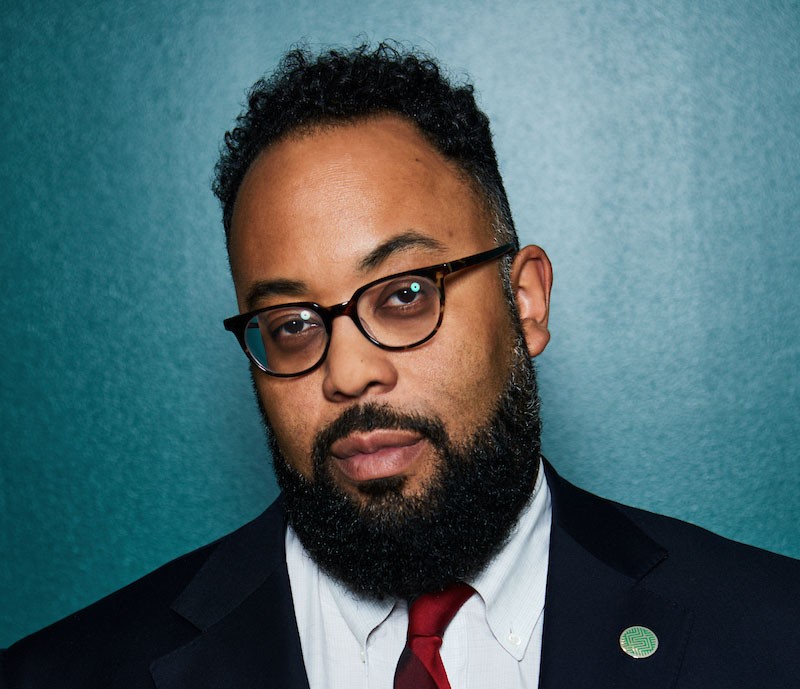
From WAMU 88.5, at American University in Washington, welcome to "The Politics Hour," re-starring Tom Sherwood. I'm Kojo Nnamdi. Tom Sherwood is back. He is our resident analyst, an NBC 4 reporter and a columnist for the Current Newspapers. No, he was not kidnapped. No, he did not run off with a rock star. He is the rock star that people want to run away with -- I mean, from. Tom?

MR. KOJO NNAMDI

13:07:17
Tom appears here today fresh from last night's appearance at Hacks & Flacks, an event he is one of the hosts of. Tom, could you kindly explain for our listening audience exactly what Hacks & Flacks is.

MR. TOM SHERWOOD

13:07:28
Well, journalists are hacks, and flacks are people who are public relations flakes. And we just -- me, Tim Craig, Nikita Stewart from The Post and Mark Segraves from that horrible radio station, (word?), you know?

NNAMDI

13:07:38
That we won't mention the name of. Oh, you mentioned the name already.

SHERWOOD

13:07:40
That's right. We...

NNAMDI

13:07:41
But you said horrible.

SHERWOOD

13:07:42
Horrible. That's -- they got some award today, some legendary radio station. I don't what it is. But in any event, we have -- every six months or so, we have just an open-ended kind of cocktail party where you can come and talk. It's supposed to be off the record, but I'm not sure, after the second drink, if that standard is maintained.

NNAMDI

13:08:00
When you...

SHERWOOD

13:08:00
But it's kind of fun. We did Local 16 last night on U Street.

NNAMDI

13:08:04
When you're among a group of people whose business is blabbing everything they know, it's hard to keep it off the record. Well, who showed up?

SHERWOOD

13:08:10
Well, you know, the mayor came by. That was good. He came by. The new -- sorry, I don't have his name now. The new press guy for Atty. Gen. Irvin Nathan was there, several politicians, Tommy Wells, Michael Brown, Jack Evans, all their staff people.

NNAMDI

13:08:28
Where was the event held this year? Or is that off the record?

SHERWOOD

13:08:30
No. I said Local 16 on U Street.

NNAMDI

13:08:33
Oh, good.

SHERWOOD

13:08:33
You were...

NNAMDI

13:08:34
A good time...

SHERWOOD

13:08:34
But it sounds like a union, but it's a bar, a very nice bar, a rooftop deck.

NNAMDI

13:08:39
A good time was had by all.

SHERWOOD

13:08:40
It was good. I learned some things that will, unfortunately, for some people will show up later.

NNAMDI

13:08:44
What time did the event eventually break up?

SHERWOOD

13:08:48
Well, I didn't close the doors. It was from 6 to 9, and I was home by 10 after 10.

NNAMDI

13:08:55
Yeah, and if you believe that, I got a bridge in Manhattan that I'm selling.

SHERWOOD

13:08:58
But it's true. Can I comment on my absence out of town?

NNAMDI

13:09:01
Yes, please.

SHERWOOD

13:09:02
You know, 'cause I went out of town, specifically...

NNAMDI

13:09:04
You missed the Redskins' victory.

SHERWOOD

13:09:05
Yes, more importantly, I missed all of the, I think, overkill in the 9/11 memories.

NNAMDI

13:09:11
Well, we did mention you last week. We did mention your concern about the over-security that we see here all...

SHERWOOD

13:09:18
Right. The securocrats (sic) are in charge.

NNAMDI

13:09:19
Yes.

SHERWOOD

13:09:20
But I want you to know I, in fact, flew from Orlando to Washington on 9/11 as my way of honoring American commerce and enterprise. And the way we should honor the events of that day is to live our lives as boisterously as possible and not cower and hide in fear.

NNAMDI

13:09:37
He flew on that day where you...

SHERWOOD

13:09:38
That very day. I planned it specifically.

NNAMDI

13:09:41
Were you strip searched?

SHERWOOD

13:09:42
You know what? The people, the TSA, the Transportation Safety Administration people...

NNAMDI

13:09:46
Correct.

SHERWOOD

13:09:46
...in Orlando and at National Airport, for both going and coming back, were superb. And I watched 'cause I went expecting to write a column about how intrusive and aggressive and all that...

NNAMDI

13:10:00
(unintelligible).

SHERWOOD

13:10:00
...and how they would be kind of hyped up because of the holiday or, you know, the memory. And then it was actually far more relaxed than I had anticipated. And it was a good thing, I thought.

NNAMDI

13:10:10
Either they're superb or they don't recognize a suspicious person when they see one. After 37 years of litigation, the District is on the cusp of ending court oversight of its services for the mentally ill, Mike DeBonis reporting earlier this week. That settlement was reached after eight months of painstaking negotiations, representing a major victory for the D.C. government as it seeks to overcome a legacy of mismanagement. Great progress after 37 years.

SHERWOOD

13:10:37
Well, the (word?) agree, you know, this program is hard. They didn't get a lot of publicity around -- I think the -- it's older than most of the journalists in town, so people were not aware of it. But this was -- you know, the treatment of the mentally ill was just horrific. They were warehoused. They were neglected. They were abused. They were buried anonymously in the backyards of some of these places.

SHERWOOD

13:10:55
And over a period of time, you know, we moved dramatically to treating people with mental illness issues much better in community-based facilities. And the city was really lagging its feet on this, and so there was this court case from 37 years ago. There have been various fits and starts to progress. But now, after all this time, the city has made enough progress that it does not have to be under this court order.

NNAMDI

13:11:19
The negotiations were going on for eight months. Guess whose administration does not seem to be getting credit for accomplishing this? The Gray administration.

SHERWOOD

13:11:28
Well, this -- they came in at the end of the movie. This has been going on. I mean, this is like getting credit for a movie...

NNAMDI

13:11:33
Yeah, but -- according to the report, eight months of negotiations mean since Vincent Gray has been in office.

SHERWOOD

13:11:40
Oh, no, this -- no, that's -- it's a much longer process. Maybe there were formal negotiations at that point, but this has been leading to this for the last two or three years.

NNAMDI

13:11:50
Speaking of the Washington Redskins, Daniel Snyder has not dropped his lawsuit against Washington's...

SHERWOOD

13:11:55
Has now.

NNAMDI

13:11:56
Has now dropped it.

SHERWOOD

13:11:57
I thought you said has not.

NNAMDI

13:11:58
Has now dropped his lawsuit against Washington City Paper. A good thing?

SHERWOOD

13:12:02
You know, it's -- you know, for once, he, you know, he performed well. He should have never brought that lawsuit. I don't know why in the world he did. It just opened -- that story that was in the City Paper that some people had read became a national sensation because he sued the newspaper. And so it was tremendous publicity for this newspaper.

SHERWOOD

13:12:21
If someone writes something terrible like that about me, I'm just not going to say anything and hope that no one reads it. But the good news is, of course, the team won.

NNAMDI

13:12:29
And they're playing Arizona this week.

SHERWOOD

13:12:31
We've got to mention the Nats. You know, they swept the Mets, four games. They're in third place for the first time since coming to Washington.

NNAMDI

13:12:38
And there are, what, two weeks left in the season?

SHERWOOD

13:12:40
About two weeks is all (unintelligible) go to hell, but we'll see. I hope not. I'm going next weekend.

NNAMDI

13:12:46
One would imagine that taking any job as a school superintendent would be a tough assignment. But when you're following a longtime superintendent who got nationwide attention for what he accomplished, then you may have a little bit of a problem. So joining us now in studio to explain how he will be handling that -- well, we won't call it a problem. We'll call it a challenge -- is Joshua Starr, superintendent for Montgomery County Public Schools.

NNAMDI

13:13:10
Joshua Starr, thank you so much for joining.

DR. JOSHUA STARR

13:13:12
Thanks for having me, Kojo. Appreciate being here.

NNAMDI

13:13:15
You've got -- you follow a superintendent, Jerry Weast, who'd been there for a long time, who got a great deal of national attention for his accomplishments in Montgomery County, but you literally walked straight into a hurricane during your first week of classes this year when Irene ripped through the Washington region. How would you describe the challenges of the first few days and weeks of the school year?

STARR

13:13:35
Well, first, there was the earthquake. Then there was the hurricane. You'll see what I have planned for Halloween.

STARR

13:13:40
I had a great start. You know, I'm following someone who just did wonderful things for the children and families of Montgomery County, and we're going to see that success continue. And we're just going to reach new heights. It's a wonderful system, a lot of dedicated employees. The community values education, and there's no place to go but up.

SHERWOOD

13:13:58
What did Jerry Weast tell you? Did he leave you, like, a memento in your desk drawer? You know, like in the presidency, they leave something for the next president. Did he leave you anything other than issues?

STARR

13:14:07
You know, Jerry just told me that it's a wonderful system with some great people who are dedicated to all the kids in Montgomery County, and that is what I absolutely found to be true. The relationships that exist amongst the labor unions, the dedication that exists, it's really unique in America to have such a large complex system where people are truly working together on behalf of kids.

STARR

13:14:27
It's a great, you know, legacy that he built, and it's left me with just a great opportunity to go even further.

SHERWOOD

13:14:35
Is the teachers' union more powerful here than it was in Connecticut where you were before?

STARR

13:14:39
Well, the relationship with the teachers' union here is something that is truly remarkable. I mean, they have some serious skin in the game in improving the, you know, instruction that goes on every day. And I can't say that about every organized labor group in the country, but you can certainly say that about the MCA.

STARR

13:14:55
You can also say that about the SEIU and MCAP. The associations and the leadership of these associations, the membership really gets that their job is to make their -- you know, improve their skills, so that we get better outcomes for kids. And they've invested a lot in that, and you don't get that everywhere.

NNAMDI

13:15:12
If you have children or interest in the Montgomery County Public Schools and you'd like to join this conversation with Superintendent Joshua Starr, call us at 800-433-8850. Send email to kojo@wamu.org. You can send a tweet, @kojoshow, or simply go to our website, kojoshow.org. Ask a question or make a comment there. You came to Montgomery County from Stamford, Conn.

NNAMDI

13:15:35
Now, you're responsible for one of the largest school districts in the entire country. What did you learn from either the earthquake, Hurricane Irene, whatever, about the pure logistical challenges of staying on top of daily business in a school district this big and this diverse?

STARR

13:15:50
Well...

SHERWOOD

13:15:50
You know, there's 140 -- how many...

STARR

13:15:51
One hundred and forty-seven thousand kids, 3,000 more than we had last year. We're growing by about 3,000 a year. So it's a growing district. And, you know, managing that growth is certainly a great opportunity and a challenge. You know, the great thing about Montgomery County Public Schools is that it runs incredibly well. It's an efficient and effective operation.

STARR

13:16:09
You know, Larry Bowers, his team, they such a great job just running the day-to-day work, which, for me, makes it fun in a lot of ways. You know, I can get the schools...

NNAMDI

13:16:18
Famous last words. Go ahead.

STARR

13:16:19
That's right.

STARR

13:16:20
I was at three schools this morning. You know, I was talking to kids, talking to teachers. I've been to about 25, 30 schools since I got here. And because this place has so many systems and structures and processes in place to manage the day-to-day work, I get to be out there talking with folks about, you know, what we want to see in the future and how can we organize ourselves for 2024 when our current kindergarteners graduate. And that's the joy of being superintendent.

SHERWOOD

13:16:43
You're so upbeat, it's hard for me to keep asking negative questions. But I'm going to do another one.

NNAMDI

13:16:48
But you will fly ahead anyway.

STARR

13:16:49
I understand that's your role, Tom.

SHERWOOD

13:16:51
Okay. Well, Prince George's County has had problems. They've had to lay off school teachers. And what is the status -- you say you're growing about 3,000 students a year. Or what is the status with the teachers in terms of layoffs? Or are you -- is everyone still -- you're hiring.

STARR

13:17:07
Well, we've reduced by about 1,200 teachers over four years and about $400 million. You know, we are lean. We've cut central office by about 20 percent over that time. There's no doubt that we are subject to the same, you know, issues that school districts face everywhere. We have a, you know, really difficult economic climate, and we don't have all the resources we need.

STARR

13:17:28
The great thing about Montgomery County is the investment in people. The relationships that exist amongst the various labor groups, the board and the administration has enabled folks to say, you know what, we're going to buckle down, and we're going to keep working hard on behalf of our kids. And I want to see that continue, and I also know that, you know, we have to make sure that our folks understand how much we value them.

SHERWOOD

13:17:49
And do you have any sense coming out of Annapolis that the economy is going to ultimately get better and some of the squeezing of school funds might be relieved in the coming year? What's (unintelligible) ?

STARR

13:17:59
It remains to be seen, that there are too many unknowns to be able to, you know, really know exactly what's going to happen. And I always try to focus on those things I can control, not what I can't. I'm hoping that, you know, we will see continued investment in Montgomery County Public Schools. But I also know that we're just going to continue working hard on behalf of our kids and families regardless of the economic situation.

SHERWOOD

13:18:21
Do we have a call? I want to ask one more probing question.

NNAMDI

13:18:25
Go ahead, please, sir.

SHERWOOD

13:18:27
In the city, in Washington, there's a bit of a little flap this week about the school system plans to do a health and sex attitudes and practice survey. They will be giving, next year, a standardized test. What does Montgomery County do with such a huge school system in terms of sex education?

STARR

13:18:46
You know, we incorporate into our health curriculum, as most school districts in the country do. It's something that, you know -- there's a fine line between balancing what should be taught at home and our responsibility to make sure kids are aware of some, you know, basic information about the body, health and wellness and things like that. So we incorporate...

SHERWOOD

13:19:03
And sexually transmitted diseases and things like that.

STARR

13:19:05
You know, I don't know all the details of what's in the curriculum, quite frankly, but I know it's incorporated into our health curriculum.

SHERWOOD

13:19:10
One of the problems in the city I've been -- just hasn't gotten much publicity is that some survey -- the teachers showed, like, 75 percent are not really trained to really talk to students about such intimate personal matters as their health and their sexual activity. And they would like to be better trained before they're asked to do that.

STARR

13:19:27
Well, certainly, whatever, you know, the -- you will hear me say often that we don't have a student learning problem in America today. We have an adult learning problem. We're trying to teach kids new and different things, you know, in new and different ways. And we're trying to make sure all kids have access to a really rigorous curriculum, whether it's sex ed, whether it's science, whether it's technology.

STARR

13:19:47
So the more professional development we can provide our teachers in anything, the better off we are. And, you know, I don't know the status of sex ed teachers in D.C., but I certainly know that every teacher, every educator wants more professional development. And we need to provide that.

NNAMDI

13:20:00
For our listeners who may be unfamiliar with it, according to the report in The Washington Post by Bill Turque this week, "D.C. public and charter schools, which annually test student progress in reading and math, will also measure what they know about human sexuality, contraception and drug use. Starting this spring, the 50-question exam will be the nation's first statewide standardized test on health and sex education."

NNAMDI

13:20:24
About your philosophy, for a minute here, Josh Starr, we had D.C. Schools Chancellor Kaya Henderson on the show a few weeks ago. She's one of the chief architects of the system that the District has put in place to measure teacher performance. Montgomery County, meanwhile, has gotten a lot of attention for a peer review approach.

NNAMDI

13:20:41
What's your philosophy when it comes to accountability standards for teachers? And where and how do test scores fit in?

STARR

13:20:50
Test scores are one piece. They are a single indicator. The test makers will tell you that, and the -- those who know the most about testing will tell you that they are one important indicator. They're not the sole indicator. You know, unfortunately, the conversation in America today has been about holding teachers accountable, to move them out of the classroom.

STARR

13:21:07
And, in fact, most of our teachers are wonderful, most are working hard, most want to get better. I look at the evaluation process as a developmental one. How do you -- how can you sit down with a teacher and really talk to them about their practice? How can you help them get better at serving all children? Test scores help you ask better questions. They don't -- they tell you when something is wrong, not when something is right.

STARR

13:21:27
And they should be one part of a -- you know, one piece of information that's used in conversations among teachers and with administrators about how to get better, but they certainly should not be used as a sole indicator of whether or not a teacher is performing.

NNAMDI

13:21:40
You said they tell you when something is wrong, not when something is right. A whole lot of people believe that if you're getting test scores, good test scores, they tell you that something is right.

STARR

13:21:49
And I would say that, you know, if you are -- if the scores are bad in a school, it tells you that, okay, we have a problem. Kids aren't reading or doing math at a basic level. But we also know that, unfortunately, what we're seeing too often is that you can teach to the test. You can narrow the curriculum. That's happening too often in this country.

STARR

13:22:09
It doesn't teach -- you know, when you sit down and talk to kids about what they're learning and why they're learning it -- I saw, you know, kids in chemistry class today at Walter Johnson High School just doing great work together. When they take a standardized test in chemistry, the work they're doing as a team to measure -- I think it was enzymes. I don't even recall exactly what it was.

STARR

13:22:28
That's not going to be captured in a test. Now, they should be able to pass the chemistry test, but that's not going to tell you everything about whether or not the teacher has been able to help those kids develop critical thinking skills and problem-solving skills and to express their knowledge and skills in different ways that go beyond the tests.

SHERWOOD

13:22:42
How much concern is there for teachers cheating or administrations cheating? We had a horrible example in Atlanta. We've had some issues in Washington of that. If you have test-based education, then there's a cheat to make the test better.

STARR

13:22:58
Well, I think what we see from that is that it does -- when you have only one measure, it does, you know, cause people to organize themselves around that single measure. And, unfortunately, if you don't have the right culture and structures and processes in place, you can -- you know, it might lead to some, you know, kind of tragic situations like we've seen around the country.

STARR

13:23:18
And that's why I'm encouraging folks in Montgomery County to be focused on what's happening between teachers and children in the presence of great content in the classroom and not just on the external measures. The external measures are very important, but they're not the end-all and be-all of what we're trying to do with kids.

NNAMDI

13:23:36
We're talking with Montgomery County Public Schools Superintendent Joshua Starr in studio. On to the telephones now. Here is Byron in Potomac, Md. Byron, you're on the air. Go ahead, please.

BYRON

13:23:47
Thank you and welcome, Superintendent Starr. We're looking forward to, you know, your creative programming here. This year, Maryland became the very first state in the nation to pass on a specific high school graduation requirement to teach environmental literacy. So how do you think that this new requirement, a very good requirement, should be carried out here in Montgomery County High Schools?

BYRON

13:24:12
And should it include real-world learning at our local farms, at local rivers and streams, at the Chesapeake Bay, so our students will learn firsthand in the real world about environmental concerns? What are your thoughts about this?

STARR

13:24:27
Well, thanks for the question, Byron. You know, I think it's wonderful to promote kids' understanding of the world around them, and whether that is politics and economics or literacy -- or environmental literacy, I think it's great for kids to learn that. However, we have six-and-a-half hours in the day, and there's a challenge with schedules to continually, you know, just add a lot of things to it that are wonderful. But it can really be a scheduling challenge.

STARR

13:24:56
So the best way to do it is to integrate environmental awareness into our curriculum, whether it's economics, whether it is history, whether it's literacy, science, whatever it may be, and also have opportunities for kids to do service projects and go out and visit places that are doing really interesting work or, you know, see firsthand what's happening out there.

STARR

13:25:16
But you also can't do everything within a six-and-a-half-hour day when teachers are teaching five periods. So we always have to find a balance, and integrating it into our curriculum, I think, is probably the best approach.

BYRON

13:25:27
Thank you very much. I'm looking forward to your programs here for our students in Montgomery County.

STARR

13:25:33
Thank you, Byron.

NNAMDI

13:25:34
Byron, thank you very much for your call. We move on to Diana, also in Montgomery County, Md. Diana, your turn.

DIANA

13:25:41
Hi. Thank you, Kojo. Welcome again, Superintendent Starr, and I look forward to hearing your thoughts on the following topic: language immersion. We have several versions of partial immersion and full immersion for Spanish, French and Chinese in the county. The Chinese program, in which my children are enrolled, began in 1996 through a federal grant.

DIANA

13:26:06
And, finally, a couple of years ago, the county saw fit to open a second one at College Gardens Elementary School, and those programs are still growing. I'd like to hear you talk about your view on the importance of bilingual education and the research that shows the benefits to intellectual development and critical thinking from multilingual education.

STARR

13:26:29
Well, you know, Diana, I am still learning about the wonderful language immersion programs we have. I know that folks who are in them are very supportive of them. You know, I don't think -- I think that if we're really going to be responsible for our economy -- to our economy and our country, that we have to graduate kids who are fluent in at least two languages.

STARR

13:26:51
It's certainly what's happening in other countries, and it's something that we should be embracing. It provides -- you know, there are challenges, whether it's certification challenges, whether it's just simply the resources that need to be provided to get qualified teachers in there. Again, time is an issue. I would like to see more dual language programs. You know, every child should graduate fluent in Spanish conversationally.

STARR

13:27:13
By the end of sixth grade, they should then be doing Latin, and then take a range of romance and other languages, whether it's Arabic or Chinese in high school. And I know that that's a big undertaking, so that's what I would love to do. But we're only going to be able to get there one piece at a time. So I'm looking forward to getting into seeing some of the language immersion programs.

SHERWOOD

13:27:35
Go on.

NNAMDI

13:27:35
Diana, thank you so much for your call. Tom?

SHERWOOD

13:27:37
On the subject of being a Southerner, I speak English as a second language, so...

NNAMDI

13:27:41
He's already speaking two languages. Right.

SHERWOOD

13:27:42
...I'm bilingual. English. But the census shows a significant demographic shift also. It's not just people learning languages that they need to know. It's the population of the county. Give us something on the diversity of demographics of other Montgomery County schools and what -- where it's going.

STARR

13:27:58
Sure. You know, we are about 23, 24 percent black, about 23, 24 percent Latino, about 40 percent white and the rest, Asian and multiracial. We're about 31 percent FARMS -- that's free and reduced lunch -- and the demographics are becoming more black and brown and more poor every year, and it really is a wonderful opportunity for the Montgomery County Public Schools.

STARR

13:28:22
You know, we have figured out, in many ways more than any other district in this country, how to serve kids, all kids at a high level, you know, our graduation rate, AP, whatever it may be. But we're doing better than just about anybody else out there. It's something that the county should be quite proud of.

STARR

13:28:39
And I think that we're going to be able to continue to show the rest of the country and, you know, work hard ourselves to make sure that those standards continue to rise and that we can -- you know, we're the America of 2042 if you look at the census data. And we're going to keep embracing all the children that come through our doors every day and keep, you know, challenging them to...

SHERWOOD

13:29:01
I'm sorry. You said the America of 2042. Tell me what that is.

STARR

13:29:04
Well, if you look at the census data, you know, we are becoming a much more diverse country. And the makeup of Montgomery County is pretty much what the rest of the country is going to look like in the next 30 or so years from some of the statistics I have seen. And we've been able to show that if we are -- if we work hard together and raise standards, our kids will meet them.

STARR

13:29:25
So I just -- you know, I just look forward to any kid coming through our door. And as long as we have we have the money to keep teaching them, we're going to do everything we can to prepare them for college.

SHERWOOD

13:29:32
Do you happen to speak another language? Do you speak...

STARR

13:29:34
I do not, unfortunately.

SHERWOOD

13:29:36
Bureaucracy and English.

STARR

13:29:38
Yeah, that's right. I'm very good at educator use.

SHERWOOD

13:29:39
Okay.

NNAMDI

13:29:40
The College Board reported some of the lowest SAT reading scores in decades this past week and attributed the drop partly to the increasing diversity of test takers. How do you, clearly, an advocate of diversity, see it?

STARR

13:29:55
Yeah, SAT scores are down around the country, and we've experienced some of that as well, though Montgomery County is beating Maryland and the nation. And we've increased the percentage of African-American and Latino kids who are taking the tests. So, you know, these scores do go up and down every year. You know, you want to maintain the scores at a high level.

STARR

13:30:15
But you also want to make sure that all of our kids are doing what they need to do to graduate, ready for college. We need to prepare kids for the economy and for our society. Eighty-three percent of the jobs, according the Bureau of Labor Statistics, require some type of college education, so that means you got to take the SAT. So we want all our kids to do well.

STARR

13:30:35
We want them to do better every year. We also know these numbers go up and down, and continuing to open up the doors for all our kids is where we have to be.

NNAMDI

13:30:44
Here is Karen in Chevy Chase, Md. Karen, you're on the air. Go ahead, please. Hi, Karen. Are you there? Can you hear me, Karen?

KAREN

13:30:55
I'm here. I'm here. I apologize.

NNAMDI

13:30:57
Go right ahead, please.

KAREN

13:30:57
Hello? Hi, Superintendent Starr, thanks so much for coming on the show. I'm a parent of children at Rock Creek Forest Elementary that has been on the list to be renovated for eight years. It keeps getting bumped, the only school in our cluster who has not been renovated, and we are bursting at the seams, like many, many schools within Montgomery County.

KAREN

13:31:19
Additionally, the cluster's looking at a new middle school, and all that with Ike Leggett asking you to cut about $33 million from the budget, how are you going to face this growing population and shrinking budget numbers, particularly when it comes to the hard assets, the schools themselves in Montgomery County?

STARR

13:31:38
Well, thanks for the question, Karen. And I know that folks are very concerned about where we're going to put new buildings and are they going to be in the right place and how do we manage that? And managing the growth of 3,000 kids a year is certainly a challenge.

STARR

13:31:50
The county and, certainly, Ike Leggett have been -- you know, have certainly understood the challenge before us and have invested significantly in our capital improvement projects for many, many years. We face a tough time right now. My view is that this is the best time to invest in infrastructure. You know, we have reduced -- it costs us 25 percent less to build a building now than it did just a few years ago.

STARR

13:32:11
I won't go into the specifics about each area, but it's going to be really important for us to continue to work with our various communities to help identify proper sites and to continue to, you know, make the argument that this is the time to build and invest in infrastructure. And I will certainly do so.

SHERWOOD

13:32:29
Do you have portable -- what is it called, portable classrooms or temporary -- I don't know what they're...

STARR

13:32:33
Yeah, portables, relocatables, we have those around the county.

NNAMDI

13:32:37
The County Board of Education approved Montgomery's first charter school earlier this summer. How do you think the introduction of a charter school is going to affect the overall dynamics of education in the county?

STARR

13:32:49
Well, look, you know, charter schools are not a panacea for all that ails public education in America today. But they are certainly part of the landscape. Only 17 percent of charter schools do better than traditional public schools, and 42 percent do worse. The one -- the Crossways Montessori School presented a really solid operational and instructional program that we believe adds to the Montgomery County choice portfolio.

STARR

13:33:13
And it's going to be a great school for kids. It's going to, you know, provide a unique program, and we think it will do well. It's not going to dramatically change the landscape of education in Montgomery County.

NNAMDI

13:33:25
You are not a big supporter of charter schools. That is, you're not opposed to charter schools. But, you know, you're not a big advocate of charter schools.

STARR

13:33:33
I'm a supporter of good schools. You know, there are charter schools that do very well, and there are more charter schools that do worse than traditional public schools than do better. And they are not going to solve all of the problems we have in American public education, but they are also not going away. And we should learn to work with them.

SHERWOOD

13:33:50
To other subjects, in the effort to have a curfew, I think there's a little steam that's gone out of that now. And you've said you would work with whatever the officials in the county want to do. But I'm not sure what your personal position is on whether you think a curfew is a realistic way to deal with young people.

STARR

13:34:07
It's not the only way to deal with young people. You have to help kids understand that, by making good choices, it's going to help them in their future. You have to give them alternatives. You also have to have rules. And I understand why the county executive, you know, has brought it up. I wish that we didn't have to have the conversation.

STARR

13:34:26
But, certainly, I understand it's one of the options that a municipality has to use if they feel that there's a safety issue. I think most importantly is to work with families and to work with children to understand that making good choices, you know, is really important. And they can still be kids and have fun, but, you know, not do things that would be really disruptive to a community.

SHERWOOD

13:34:47
It sounds like you might not be in favor of a curfew, but you don't want to -- in your new position come out in opposition to it. Just let the conversation play out.

STARR

13:34:55
I want to see how it plays out. Again, it's not my first choice, but I know that, you know, the county executive has done a lot to promote, you know, having good options for kids. And, certainly, his perspective on this, given his many, many years in the county, is much more valid than mine at this point. And, you know, it may be an appropriate option.

SHERWOOD

13:35:18
What and -- sports, concussions, safety in sports, is that an issue in Montgomery County?

STARR

13:35:24
You know, no one has brought it up as an issue specifically, but I know that it is something that we are taking a hard look at everywhere in the country. It's something that, you know, the NFL has certainly brought up, and we know it's going on around out there. So I'm sure that our athletic directors and principals and coaches are raising awareness about it, but no one has brought it up to me.

NNAMDI

13:35:42
Here is Dwayne in Wheaton, Md. Dwayne, your turn.

DWAYNE

13:35:47
Yeah, I just want to get an idea of what do you plan on doing about the underperforming clusters that you have in Montgomery County, Wheaton in specific? Traditionally, the Wheaton cluster has been one of the least performing school clusters, and it's pitiful to watch. I had two daughters who grew up through that.

DWAYNE

13:36:08
And, quite honestly, if weren't for me and my ex-wife, they probably wouldn't have gotten an education through Montgomery County public schools.

NNAMDI

13:36:16
Let the record show that Dwayne was the first caller who did not say, welcome to Montgomery County. Honeymoon over, baby.

STARR

13:36:22
Honeymoon over. Well, no, Dwayne. Thank you for bringing that up. Look, you are raising what is probably the most important question before me right now. We have some wonderful schools in Montgomery Country, and then we have some places that haven't performed in the same way and haven't performed in the way we'd like. And there's variability within clusters. There's variability among clusters and among schools.

STARR

13:36:44
And that's exactly the question that I'm asking my team right now, whether it's the principals or the folks in central and the board as well. And then I'm engaged in the community in my listen and learn events throughout the county. There is no doubt that there are a lot of people in Montgomery County who know how to serve all kids well. So what I'm looking at doing is leveraging their intellectual capacity.

STARR

13:37:06
We don't have a lot of money to buy new stuff, but we can learn from what the best schools are doing and the best practices in those schools and say, okay, let's make sure that all schools are learning how to do this. And that's what we're starting to do and, I think, what you going to see. And if it means differentiating some of our dollars so that we can really invest in those schools that need a little more, I'm very willing to do so.

NNAMDI

13:37:30
I'm afraid we're almost out of time, so this, I guess, is going to have to be the final question. You told WAMU reporter Matt Bush a few weeks ago that you're not a big believer in looking at education as a competition. And you also quoted a speech that James Baldwin made, apparently, in 1963 or 1964. Tell us about that.

STARR

13:37:51
James Baldwin, in 1963 -- it was either '63 or '64, and his talk to teachers, it's just one of the greatest speeches that I've ever read in education. I'm a great -- I'm a big James Baldwin fan. And he said the purpose of education is to ask questions of the universe and learn to live with those questions. And, you know, we are in a very competitive environment. It's -- we're a competitive culture, and schools oftentimes reflect that.

STARR

13:38:14
And when kids leave school, we want them to have more options than when they came in. We want them to feel good about themselves as learners. We want them to take responsibility for their community and their family and their country. And that's not always about competing with other people. It's about working with them. That's what's required in the economy. That's what's required to make us better.

STARR

13:38:32
So I'm always interested in looking at education as developing people, not just having them necessarily, you know, get the highest test score.

NNAMDI

13:38:42
Joshua Starr, thank you very much for joining us.

STARR

13:38:44
Thank you for having me.

NNAMDI

13:38:45
Joshua Starr is the superintendent for Montgomery County public schools. Tom Sherwood is our resident analyst. He's an NBC 4 reporter and a columnist for The Current Newspapers. Well be talking shortly with Council Chairman Kwame Brown of the District of Columbia. So you can start calling now, 800-433-8850, 800-433-8850. Or you can send your email to kojo@wamu.org. Chairman Brown, thank you so much for joining us.

MR. KWAME BROWN

13:39:13
Oh, well, thanks for having me on.

NNAMDI

13:39:15
Let's start with -- we were talking earlier about the fact that there will be, now, a sex education test in D.C. schools. And we've just talked to a school superintendent, so let me start there. D.C. public and charter schools will be measuring -- will be having a test to measure what students know about human sexuality, contraception, drug use, starting this spring. It'll be a 50-question exam. What are your thoughts about that?

BROWN

13:39:39
Well, this was passed, I think, by the board of education here in the District of Columbia. And let me say, as a father of two small children in D.C. public schools, as it relates to the sex questions being incorporated in a (sounds like) D.C. cast, I think that's the issue that they're going to take on. And, clearly, in some areas, we need to really talk about what's taking place, that children notice taking place.

BROWN

13:40:03
I do believe that there should be an opportunity to opt out if parents do not want to have that particular topic discussed with their child.

NNAMDI

13:40:13
Well, from that, we will get back to education later, but I guess ethics is one of the issues of the day. You've taken up, in recent weeks, ethics reform. You've pushed out new financial discloser rules for D.C. council members and their staffs. What are you aiming to do with this proposal? And why are you willing to push back on the objections of your colleagues over it?

BROWN

13:40:33
Well, you said the objection of my colleagues. I'm not sure who's objecting to it as we speak. I know Councilmember Cheh -- and this is, you know, not new. It's just basically incorporating some of the ideas that have taken place from the Bennett Report that really just lays out the open and transparency of making sure that council staff, just those that are affected with policy, just like the executive has, just like the CFO has, there's just some disclosure.

BROWN

13:41:02
And, you know, I think that's important that we -- as we move forward.

SHERWOOD

13:41:06
Well, Mr. Chairman, you know, and thank you for coming on the program. I mean, how quickly do you think -- you and Mary Cheh last spring proposed some ethics issues, and Vincent Orange had said you might do some emergency legislation next week -- Councilmember Wells. Everyone's trying to get on the ethics train. When do you think the council will, in fact, pass an ethics bill?

SHERWOOD

13:41:26
Do you think it will be done this fall? Muriel Bowser will get it to the council, and it'll be passed this fall?

BROWN

13:41:31
Well, let me say, Tom, thank you for the question. I started off when I was campaigning talking about an ethics bill. I mentioned it on my inaugural speech that we would have a tough ethics comprehensive reform bill. We put something on the table. And, clearly, some people agreed with some of it and didn't agree with a number of it. Now, everyone has a piece that they want to add to it.

BROWN

13:41:49
I've asked Councilmember Bowser, who I have a tremendous amount of respect for, who asked to chair the Committee on Government Operations to take a look at all of the pieces of ethics reforms that members have introduced and to create one comprehensive ethics package that I believe that will pass the council this session by the end of the year. So the idea is to get something passed and on for signature at the end of the session.

SHERWOOD

13:42:15
I was at the Hacks & Flacks thing last night. I think -- didn't you come by? I couldn't remember...

BROWN

13:42:19
Well, no, I actually -- well, actually, I'm on the Congressional Awards Board, and we actually had the School Without Walls, the principal and (word?) the principal there. And we had given out these recognition awards and medals, so that -- I'm sorry...

SHERWOOD

13:42:27
Well, that's a better event than Hacks & Flacks. But I want to ask you 'cause everyone said, he's going to be on, you've got to ask some questions about his own ethics. And you know I'm going to do this. But I just want to run through the things that people say are outstanding and how can you lead the fight for new ethics law when you have these open questions.

SHERWOOD

13:42:43
The SUV controversy cost the city nearly $20,000. Are you going to pay that money back? Or is the taxpayer and the government stuck with it?

BROWN

13:42:55
Tom, we've been -- I've been on this show three times. And every time I talk to you and you interview me, you say people say, and you ask me the same question. And I give you the same answer.

SHERWOOD

13:43:02
Right. Which is?

BROWN

13:43:04
And that is that I am committed to make the payment for one month of the vehicle, like I mentioned on this show, I think, twice that I've been on this show, when that information comes to me from the attorney general what that one payment would equal. And I'm committed to do that.

SHERWOOD

13:43:19
So not the whole bill? Okay. It was not going to be $20,000 for one month, so the taxpayers will pick up whatever the one month is. Okay...

BROWN

13:43:25
Well, Tom, I know -- Tom, I think the real question -- and it's interesting that you ask me that question all the time. But, I think, when I talk to the people that I talk to, they want to know why we even paid $17,000 upfront, a lease, which is I think is illegal upfront to begin with and who...

SHERWOOD

13:43:39
Oh, maybe Bill Howland of Public Works will have to pay it.

BROWN

13:43:40
…authorized that payment to be made upfront and who thought it was okay to pay up to $2,000 a month for a vehicle. Now, I've taken full responsibility, and I look forward to keeping my end of the bargain. So I understand (unintelligible).

SHERWOOD

13:43:53
Okay. Well, you're taking partial responsibility 'cause the bill is $20,000 'cause you asked for the car. But I want to keep moving 'cause there's a couple other things. In your campaign finance records, bank records, your brother has not turned over his records of how he spent money from your campaign. Why don't you tell your brother, Che, to turn over the information on how he spent your campaign money?

SHERWOOD

13:44:13
It was your campaign. It's your name that's being sullied by the failure of this information to be made public.

BROWN

13:44:19
Yeah, once again, I've asked him to do that. I've asked everyone to be open and transparent.

SHERWOOD

13:44:23
Don't invite him to Thanksgiving or something. You know, just make him do it.

BROWN

13:44:25
And, yeah, we've asked him. We're being as open and transparent as possible in this process.

SHERWOOD

13:44:29
All right. And you renovated your office. How much did that cost?

BROWN

13:44:33
Well, first of all, Tom, let's be factual.

SHERWOOD

13:44:35
You didn't renovate your office?

BROWN

13:44:36
No, we didn't renovate. When you say renovate, you make it seem like we knocked some walls down all over the place. We...

SHERWOOD

13:44:43
You took down a couple of temporary walls. You did take down...

BROWN

13:44:43
First of all, can I finish?

SHERWOOD

13:44:45
Well, I'm just trying to say it was renovation.

BROWN

13:44:46
We've been open and transparent. A matter of fact, I think a story was written. I don't know it was in the city paper or The Washington Post.

SHERWOOD

13:44:52
That's the media.

BROWN

13:44:53
It was $15,000 to -- when Chairman Gray moved out, to paint and to move -- actually, to make it a lot friendlier, to move the Office of Budget upstairs, as well as the Committee of the Whole. So there's one place for residents to go as opposed to going all over the building and looking for policy and budget officials.

SHERWOOD

13:45:09
Okay. Was that government people who did it, or was it private contractors? 'Cause somebody was saying there's a rumor your brother got some money in that deal, too.

BROWN

13:45:17
There's a bunch of rumors out there.

SHERWOOD

13:45:18
Is that true?

BROWN

13:45:19
No. That's not true, Tom.

SHERWOOD

13:45:20
Okay. Good, I'm glad these...

BROWN

13:45:20
I mean, let's -- come on, Tom. It's easy to just say, here are all the rumors out here. I can name a bunch of rumors and say, are they true?

SHERWOOD

13:45:28
I haven't seen the documents on how much you spent, but you can...

BROWN

13:45:30
It's been open. It's transparent. It's been, I think, reported a couple of times in terms of that.

SHERWOOD

13:45:36
One last one, transition inaugural funds, both you and the mayor promised to -- I think, you did. I'm pretty sure you did -- promised to disclose all the money that was raised and how it was spent. I haven't seen it. Now, somebody told me it was on your website for two days, and it came down.

BROWN

13:45:52
Tom, it's always, someone told me...

SHERWOOD

13:45:54
Well, I'm saying it.

BROWN

13:45:55
...this is what people are saying...

SHERWOOD

13:45:56
I haven't seen it.

BROWN

13:45:56
I mean, this -- come on. Let's really...

SHERWOOD

13:45:59
How can you run an ethics -- how can you -- we're not...

BROWN

13:46:00
Can you let me answer your question? You asked me a question. Can I answer it?

SHERWOOD

13:46:03
Well, I hope you will.

BROWN

13:46:04
Can I answer the question?

SHERWOOD

13:46:05
Yes.

BROWN

13:46:06
First of all...

SHERWOOD

13:46:06
You're trying to write an ethics bill, Mr. Chairman, and you've got all these things unanswered.

BROWN

13:46:08
Can I answer, Tom? Tom, can I answer the question?

SHERWOOD

13:46:10
Now, you may, yes.

BROWN

13:46:11
Because it's not factual. You need to stop saying things that are not factual.

SHERWOOD

13:46:14
What's not factual?

BROWN

13:46:15
I was open. I was transparent. We were the first to put our expenditures and contributions on -- up on a website. Matter of fact, I believe The Washington Post wrote an extensive story laying out every single expense and every single contribution that was made.

SHERWOOD

13:46:29
Where was that? Where is it now? Is it on your…

BROWN

13:46:30
It was up on the website. I think the website came down. I needed to find out. I think the website came down maybe about two or three months ago. Ms. Brizill had asked questions. And we've given her the information. I think she's put a story out about it. And this is not something that you -- 'cause one makes it assume, Tom, is that no one ever knew what happened and that...

SHERWOOD

13:46:51
I'm not assuming anything.

BROWN

13:46:52
But that's what you just said. You said you were leading the ethics charge, and then you said, you said you were going to be open or transparent. And we have been. But I think...

SHERWOOD

13:46:58
Chuck Thies says he's asked for it twice. He's a political analyst. He has yet to receive it. Are you going to give it to Chuck?

BROWN

13:47:03
Well, Chuck could continue to ask what he wants. It's been there. There's been stories on it. He can research it.

SHERWOOD

13:47:08
How do I get it?

BROWN

13:47:09
He could research it, and we're done with it.

NNAMDI

13:47:10
As you and others may have observed, I made no interruption of the back and forth between you and Tom when this was going on because I have a broader concern. My broader concern is that it seems that, for a while, you were behind the ethical curve. And it seems that what you're trying to do now with the legislation that you've introduced, for financial disclosure and the like, is to get ahead of the ethical curve.

NNAMDI

13:47:34
Is that the lesson you have learned from all of this that has occurred?

BROWN

13:47:37
Well, what happened was that people say we wasn't doing enough, and they wanted to know what we did since there'd been a report and what have we been implementing. And we went back and looked at that. We thought that I thought that it would be important to have a comprehensive ethics bill.

BROWN

13:47:51
And that is to have Councilmember Bowser lead the charge while collecting information from all of our colleagues about what they think is right and come up with one package that we could have a hearing on, that we could be open and transparent at the end of this year, that we can actually pass. And I think that that's -- when I talk to the residents of the District of Columbia, that's what they're asking.

BROWN

13:48:10
They just want to know that -- you know, how soon are you going to get something passed? What would it look like? And I think that we need to take our time to have a comprehensive package to do so. And that's -- I think you're right. We're trying to make sure that we are in front of it, and we're not lagging behind.

NNAMDI

13:48:22
If this package is passed, what effect will that have on things that have happened in the past, the accusations against you, the accusations against Tommy Thomas or Councilmember Harry Thomas Jr., the accusations against Councilmember Jim Graham, the accusations against Councilmember Jack Evans and others?

NNAMDI

13:48:42
Will this package include -- comprehensively, look at all of those things so that the public can be assured that none of those occurrences are likely to happen again?

BROWN

13:48:51
Well, first, the disclosure -- the changes in the disclosure that I laid out would clearly deal with nonprofits. And if you actually receive money from nonprofits, you would have to disclose it. And, currently, you don't have to do that. It would also deal with a couple of issues as it relates to staff and full closure for those that are chief of staffs or those that are directors of committees in terms of conflict of interest, which we'll clearly do that.

BROWN

13:49:16
But I look for a comprehensive bill that would address a number of different issues. And I think it's important, Kojo, that we allow Councilmember Bowser and her committee to do the work that they're doing.

BROWN

13:49:27
And they have been doing a great job reaching out to the attorney general, reaching out to the Office of Campaign Finance, reaching out to different council members, so they can come forth with a comprehensive ethics bill that I think is going to be important. And that's what people want.

SHERWOOD

13:49:40
Mr. Chairman, he asked you if anything would be retroactive, and I think the answer to that is no. I don't think you can pass ethics legislation that enforces things in the past, but...

NNAMDI

13:49:48
No. I don't think it enforces them in the past, but I'm trying to find out if...

BROWN

13:49:50
Well, I don't think...

SHERWOOD

13:49:50
But he asked you if anything would be retroactive that would cover anything that has occurred in the...

BROWN

13:49:55
Well, I don't know. I didn't see that claim from...

NNAMDI

13:49:55
Or if it would prevent those things -- would it prevent those things from happening in the future?

BROWN

13:49:59
I thought what you wanted to know was, would we have something that can prevent something and, clearly, fully -- things that are fully disclosured. (sic) There's a number of different bills that different members want to introduce that would be -- that could prevent a number of things from happening before and making sure it's open and transparent.

SHERWOOD

13:50:16
What is the status of the U.S. attorney's investigation? Do you -- have you been called before the U.S. attorney or the FBI to ask about your campaign documents?

BROWN

13:50:22
I'm not commenting on any -- on ongoing investigations.

SHERWOOD

13:50:24
Well, that's the ethics, Mr. Chairman. People are saying to me -- and when I say people -- well, let me just say, every reporter I talk to...

BROWN

13:50:27
Well, you keep saying people are saying it, Tom. I mean, you're asking me a question...

SHERWOOD

13:50:31
Well, let me just rephrase it. I'll take the people out, although people do stop me at the grocery stores and say, what are they doing? And they -- there are people who do that. But I'll stop saying people 'cause it irritates you. Have you spoken to the FBI or the U.S. Attorneys' Office about any of the investigation into your campaign fund?

BROWN

13:50:49
Once again, I'm not going to comment on anything because...

SHERWOOD

13:50:50
Why not? You're going to write an ethics bill with this cloud over your head.

BROWN

13:50:51
...it's an ongoing investigation, and I'm not going to comment on it. Tom, I have a tremendous amount of respect for you. You know that. And I understand...

SHERWOOD

13:50:59
I have respect for you, too, but you're trying to write an ethics bill when you're in a dark room with -- I mean, people can't see your own documents.

BROWN

13:51:03
That's not true. I'm in a light -- I'm in a well-lit room, Tom. I'm not in a dark room at all.

NNAMDI

13:51:08
We are broadcasting directly across the street from your alma mater, Woodrow Wilson High School. But you've spent a lot of time lately, focusing on where middle schools fit in to the city's education system and whether students are getting lost in the transition from middle school to high school. Why do you feel middle schools are such an important of the picture in the broader conversation about education reform?

NNAMDI

13:51:30
And I know you have a child who's now in middle school. Is that what brought your attention to this?

BROWN

13:51:35
Well, no. I think that we've done a phenomenal job as it relates to educational reform here in the District of Columbia in terms of making sure that our elementary schools -- and Mayor Gray did a great job with the pre-K, 3 and 4 program. If you look at the increased enrollment in D.C. public schools, you'll see that it's all concentrated in our elementary school level. But when you see a decline, it's in our middle school area.

BROWN

13:51:57
And when you talk to parents, you know, when you get to the third or fourth grade, they're trying to make a decision on what they do with their child. And I believe it's the -- the decision should not be based on a lottery ticket. And we all know that a middle school -- sixth, seventh and eighth grade -- is an American problem. But that doesn't mean we can't tackle it here in the District of Columbia.

BROWN

13:52:15
And we have too many of our young folks that go into the ninth grade that are not reading on par, that are not in mathematics on par. And, clearly, statistics show that 90 percent of the students that fail math and English in the ninth grade drop out.

BROWN

13:52:27
So if we want to increase the ability to -- for our graduation rates, if we want to increase the ability for our young folks to go to college, if we want to increase the ability for our young folks to do better on SATs, we cannot graduate our young folks out of middle schools still reading on a fifth and sixth grade level.

NNAMDI

13:52:41
Former schools chancellor Michelle Rhee stepped on a few landmines when she went public about a new vision for Hardy Middle School off on Wisconsin Avenue. She seemed to feel that a lot of parents feel comfortable with neighborhood elementary schools, but that middle school was the time that a lot of DCPS parents began to feel uncomfortable with the system. How do you see it?

BROWN

13:53:04
I mean, I think she's absolutely right. I mean, the statistics show that when people get their children in the third or fourth grade, they want to know where to go. And there should be more than four schools or middle schools or five middle schools available in the District of Columbia. Look at the lottery when it comes to middle school. And it shouldn't take a lottery ticket for your child to get a quality education.

BROWN

13:53:22
The idea is that every middle school should offer the same type of services, so, therefore, we improve our neighborhood middle schools. And, right now, that just is not happening. We have pre-K through eight programs. And when you go on those buildings, you know, one sixth grader is on a -- is getting services on -- up here, and another sixth grader is getting services down here. And when you look at the test scores, it reflects that.

BROWN

13:53:44
Every school should have a phenomenal science lab. They should have a phenomenal computer lab. They should have a phenomenal library. They should be offering their ability to take algebra before they graduate from middle school. And where that's not happening and where that's uneven, that's where you see parents want to go to the schools that have those type of offerings. And they should be offered across the board.

NNAMDI

13:54:03
I got one more. I got one more on this. We talked with Mary Cheh on this broadcast last week. She's making a public case for a new middle school to be added to her ward, Ward 3, the city's most affluent ward. Some wards don't even have a single middle school. What thought do you have, or what thought have you given so far, as to how seriously a new middle school for Ward 3...

BROWN

13:54:24
Well, first of all, I had conversations with the previous chancellor and Chancellor Henderson, to ensure that Ward 5 should have a middle school. Pre-K programs are just not working. And then you look nationally at these pre-K programs, a lot of them are working, and Ward 5 doesn't have a middle school. And how about the parents there in Ward 5?

BROWN

13:54:44
If, in fact, someone told you to that their child had to go to an elementary school that had been converted to almost a middle school and didn't have the same type of offerings, and you didn't have an opportunity for a standalone middle school in your ward, you would -- and you had to get in line of the lottery to find out if your child can go somewhere else, you would want to say, how come we can't have access to the same...

NNAMDI

13:55:02
So you're saying Ward 5 ahead of Ward 3?

BROWN

13:55:04
No. What I'm saying is that if we -- first of all...

NNAMDI

13:55:07
'Cause you're sitting in Ward 3. You got to escape this building before you leave.

BROWN

13:55:09
No. I don't have a problem with escape. And, I mean, at the end of the day, Ward 5 deserves a middle school. It's just unacceptable to not have that type of offering that says at least they should be equivalent to other wards of the city. Now, I say that because if, in fact, you don't like a pre-K through eighth program because they don't offer the same services that's normal as other middle schools, what do you have to do?

BROWN

13:55:32
You have to go to a lottery. So the idea is not to build more schools in certain wards. It's to make sure that every neighborhood school and every ward has quality middle schools so people can't line up to go to the same school. And, right now, that's what you have. You have people across the city trying to get into a couple of schools.

BROWN

13:55:48
And then what you also have is more people sending their kids to elementary school, and the feeder schools can no longer send the schools to the good middle schools. So, therefore, you're going to have a problem. This is a train ready to crash, and we have to do something about it...

NNAMDI

13:56:02
Tom.

SHERWOOD

13:56:03
All right. I'd rather talk more about ethics 'cause I think that's a train that's already crashed. I will say the middle school problem seems to me -- the idea makes perfect sense. You ought to have good middle schools all over town. I mean, that's a basic idea. That's perfectly clear. Does -- can you do it within the budget of the school system now, or do you see -- do you have -- have you costed this out to what you think it might cost to change?

BROWN

13:56:24
Well, it's interesting. I mean, it's what our priorities are, Tom. Clearly, when you talk to parents, which I've...

SHERWOOD

13:56:29
Well, I know people want it, but...

BROWN

13:56:30
I'm just trying to answer the question. When you talk about -- I'm trying to answer...

SHERWOOD

13:56:32
But I don't want to hear a ninth grade civics answer. What I want to know is does it cost more money? I know everyone wants good schools, but do you envision putting more money into schools or rearrange the money that's there?

BROWN

13:56:43
Well, I would think the parents that have been talking to me wouldn't consider the answer I'm about to give you a ninth grade civic answer. It's very serious to them in terms of the choices that they have to make right now.

SHERWOOD

13:56:51
Of course, it's serious. That's why I asked the question.

BROWN

13:56:53
And the real question is reallocating our resources to make sure that the middle schools are our priority. We spent almost $2 billion in DCPS. And it's unacceptable that some schools don't have the same sort of offering and ideas to reallocation of resources in a way that makes sure that we can do that. When this city puts...

SHERWOOD

13:57:10
Okay. Reallocate resources as opposed to new money. That's a good answer. I mean, it's a great idea.

NNAMDI

13:57:15
I want to get Daniel in Washington in because we have less than a minute left, and Daniel, I think, has an important question. Ask it, Daniel.

DANIEL

13:57:22
Yes. UDC, Councilmember Brown, when the students told you that...

NNAMDI

13:57:28
You got 20 seconds.

DANIEL

13:57:29
...treating community college students as second-class citizens by taking away their right to be UDC students, you didn't ask a single one of their questions to Sessoms. Now, this has been proven to be true by the Department of Education. What are you doing to restore and remedy the harms caused by UDC treating community college students as less than UDC students?

BROWN

13:57:49
Well, the first thing that I've done already was introduce legislation to separate the community college out from the University of District of Columbia. Secondly, I've had several conversations with Dr. Sessoms, and I think it's absolutely unfair that the community college students do not -- are able to access, you know, the UDC campuses and these facilities. And that's not what this one university should be all about.

NNAMDI

13:58:10
Kwame Brown is chairman of the D.C. Council. He's a Democrat. Thank you for joining us.

BROWN

13:58:13
Thank you. Thank you for having me.

NNAMDI

13:58:14
Tom Sherwood is our resident analyst. He's an NBC 4 reporter and a columnist for The Current Newspapers. Tom, always a pleasure.

SHERWOOD

13:58:20
Glad to be back.

NNAMDI

13:58:21
Thank you all for listening. I'm Kojo Nnamdi.
Transcripts of WAMU programs are available for personal use. Transcripts are provided "As Is" without warranties of any kind, either express or implied. WAMU does not warrant that the transcript is error-free. For all WAMU programs, the broadcast audio should be considered the authoritative version. Transcripts are owned by WAMU 88.5 FM American University Radio and are protected by laws in both the United States and international law. You may not sell or modify transcripts or reproduce, display, distribute, or otherwise use the transcript, in whole or in part, in any way for any public or commercial purpose without the express written permission of WAMU. All requests for uses beyond personal and noncommercial use should be referred to (202) 885-1200.
The Kojo Nnamdi Show is produced by member-supported WAMU 88.5 in Washington DC.